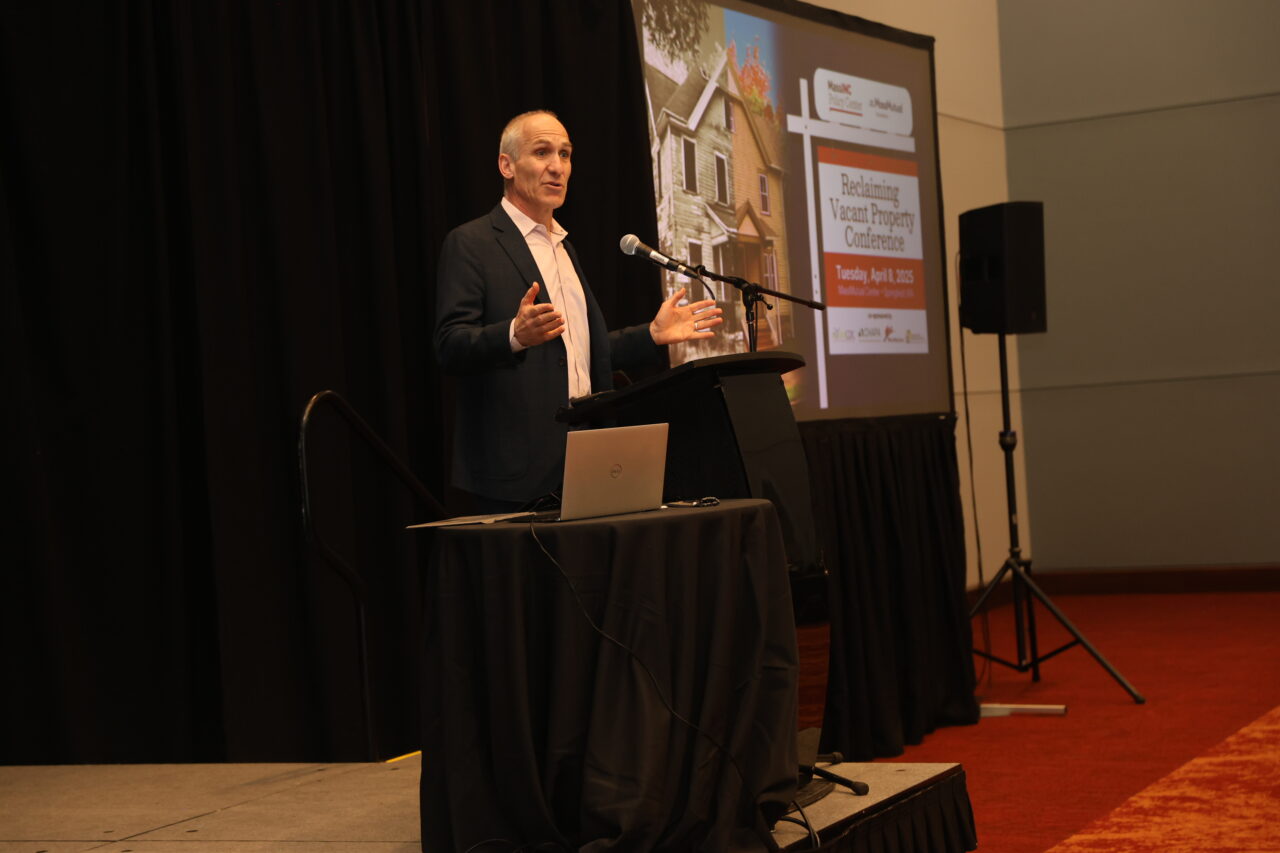
The day opened with welcome remarks from MassINC CEO, Joe Kriesberg, and Alison Mathias, Vice President of the MassMutual Foundation. Kriesberg cited data from the 2024 Gateway Cities Massachusetts Housing Monitor, which highlights how revitalizing vacant properties is not just about neighborhood beautification; it’s a housing necessity.
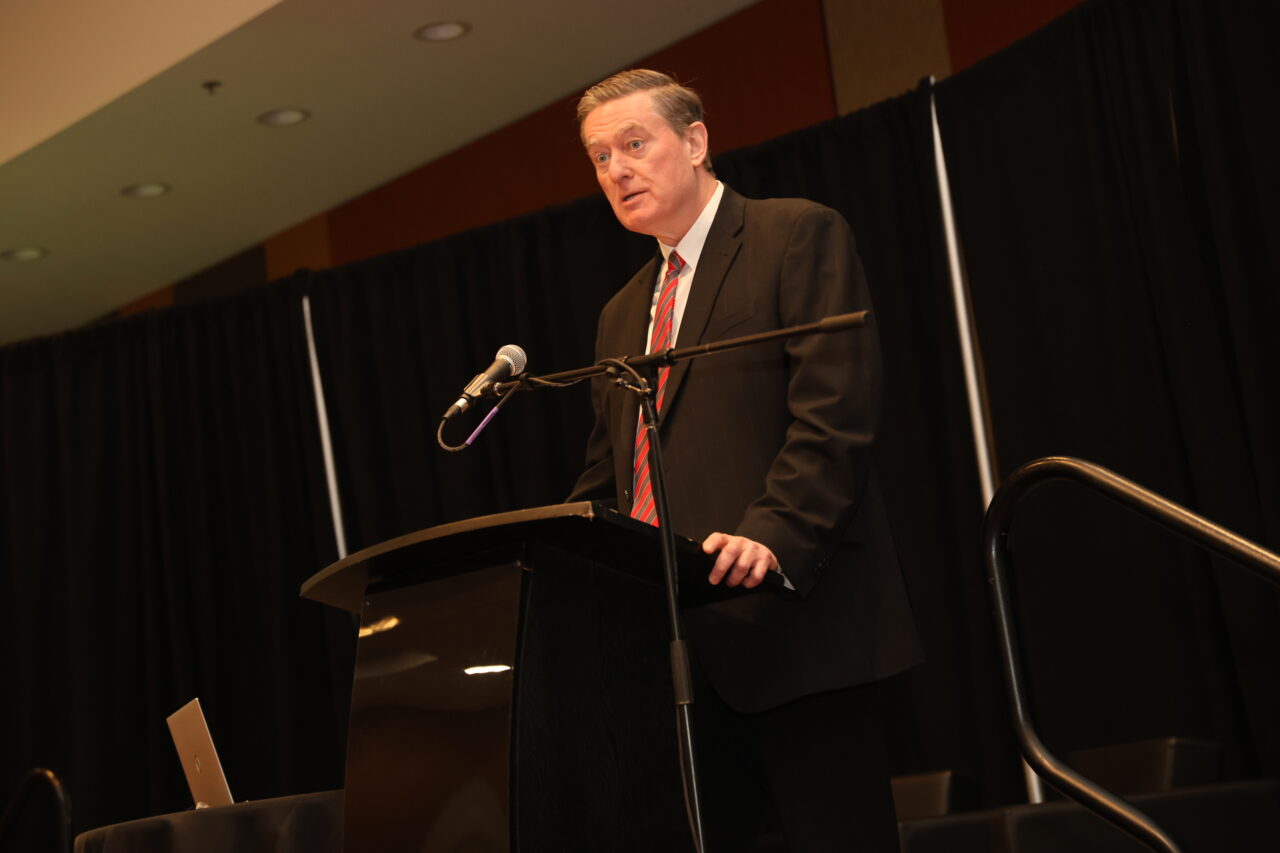
Secretary Ed Augustus, of the Executive Office of Housing and Livable Communities, reinforced this urgency. In a time of national uncertainty, Augustus called for Massachusetts to lead with clarity, stability, and innovation especially when it comes to reclaiming and reinvesting in communities hit hardest by disinvestment.
Attendees were also addressed by Springfield Mayor Domenic Sarno, highlighting Springfield’s own efforts to tackle vacancy and disinvestment. Mayor Sarno acknowledged the complexity of revitalization work, emphasizing the pivotal role that local leadership and regional collaboration play in driving progress. He reminded the audience that revitalizing neighborhoods requires not only technical expertise and financial tools but also political will, long-term planning, and the courage to reinvest in communities that have long been overlooked.
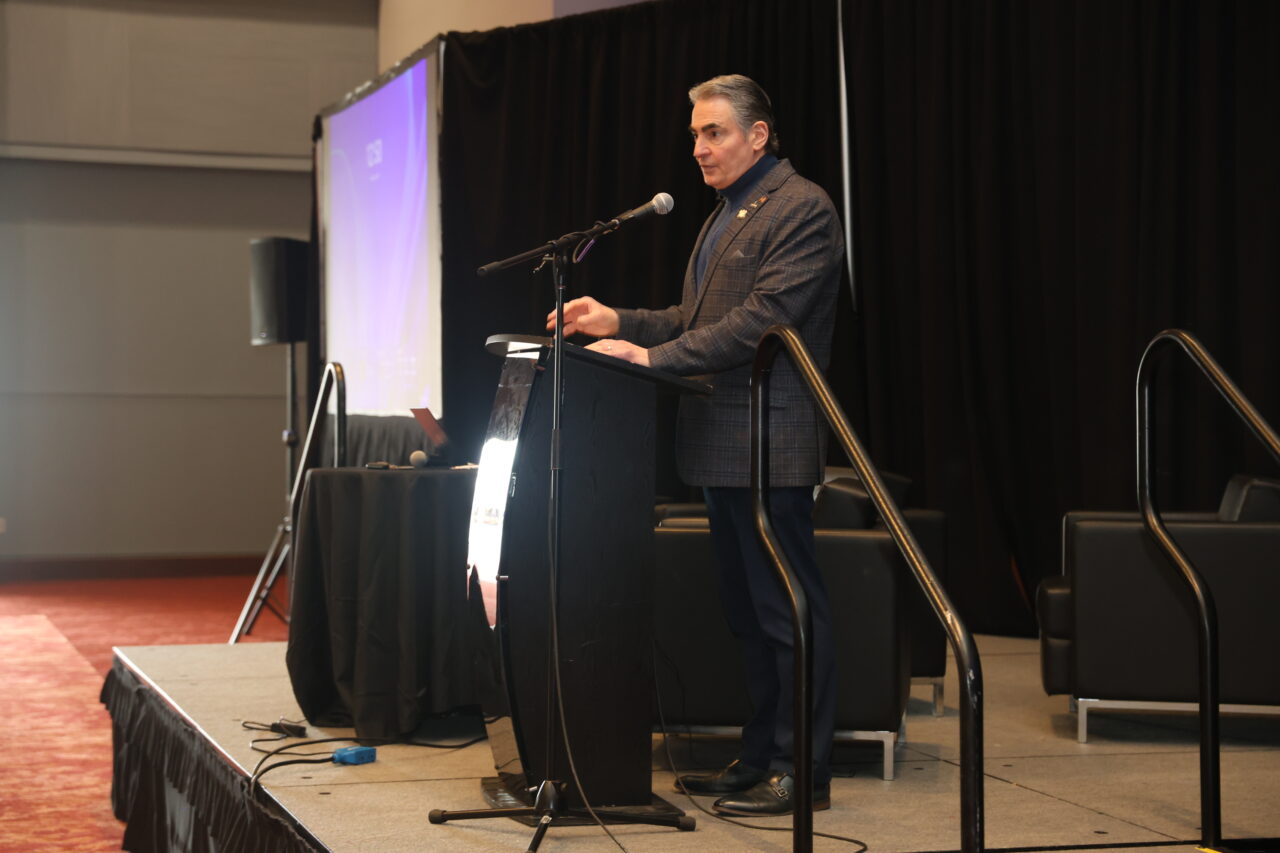
Strategic Code Enforcement and Cross-Sector Collaboration
Presenters: Steve Barlow, Danny Shaffzin (Strategic Code Enforcement Management Academy)
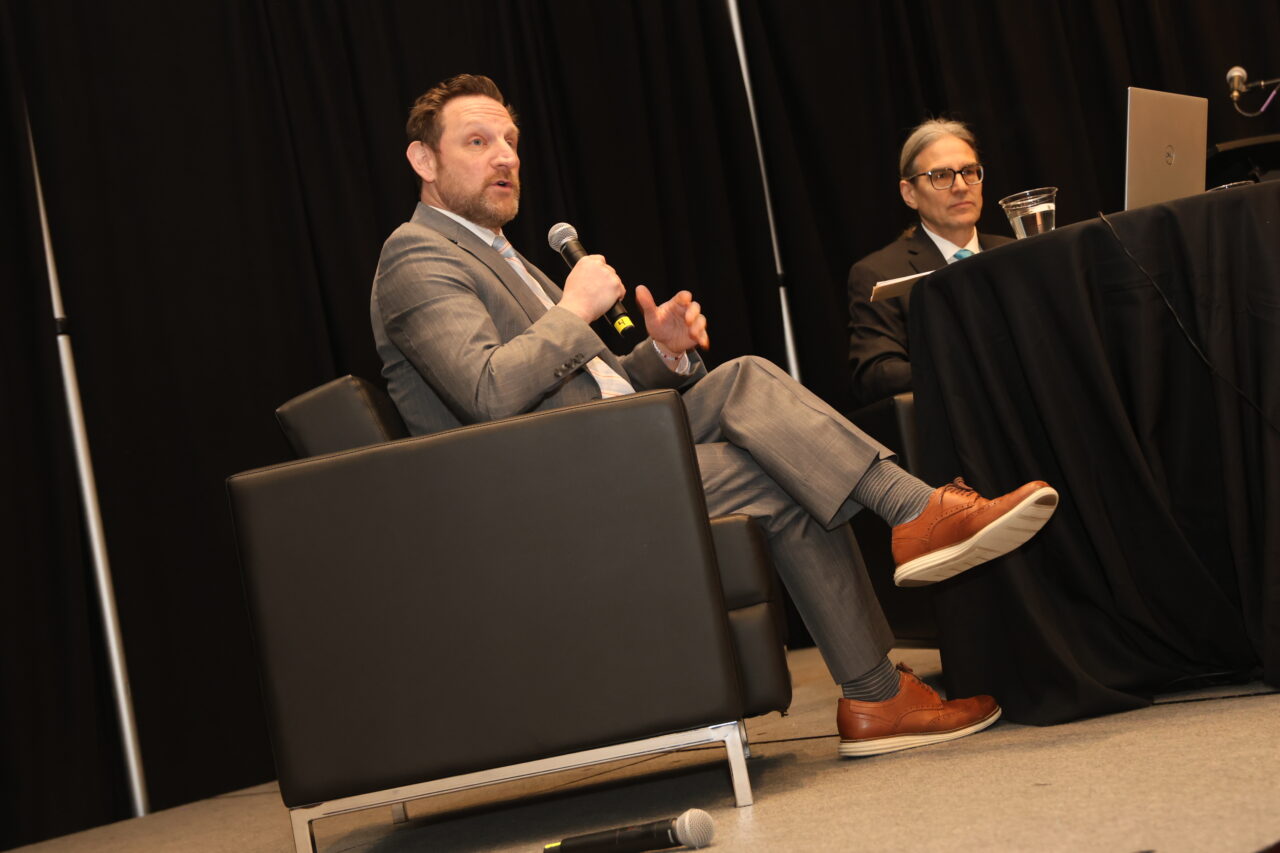
Reclaiming vacant and abandoned properties goes beyond just code enforcement—it requires a collaborative, cross-sector approach grounded in strategy, transparency, and legal expertise. In a recent presentation, Steve Barlow and Danny Schaffzin from the Strategic Code Enforcement Management Academy (SCEMA) showcased how cities like Memphis and Cleveland are driving systemic change by uniting government, nonprofits, and legal partners around shared objectives. This collaboration has resulted in policy reforms, stronger data systems, and a more unified response to property distress.
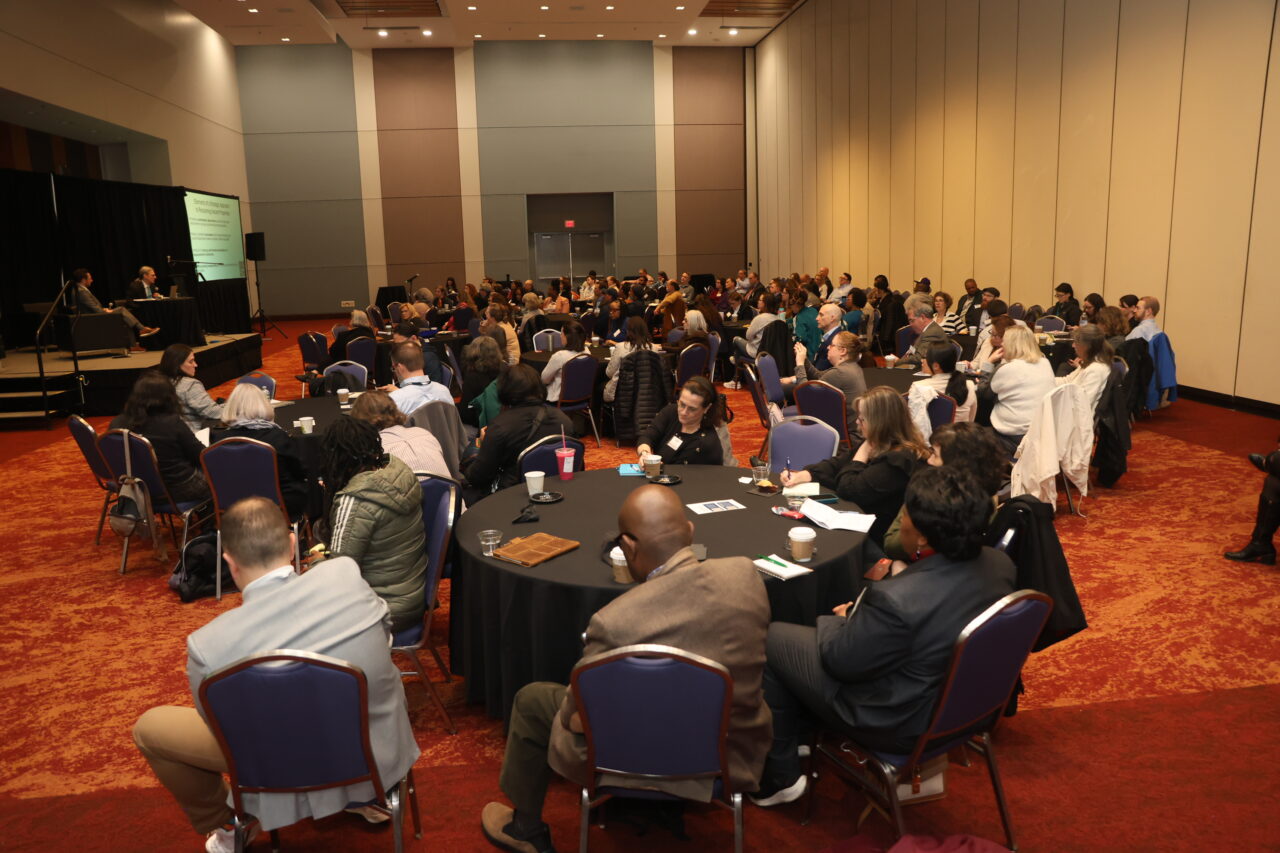
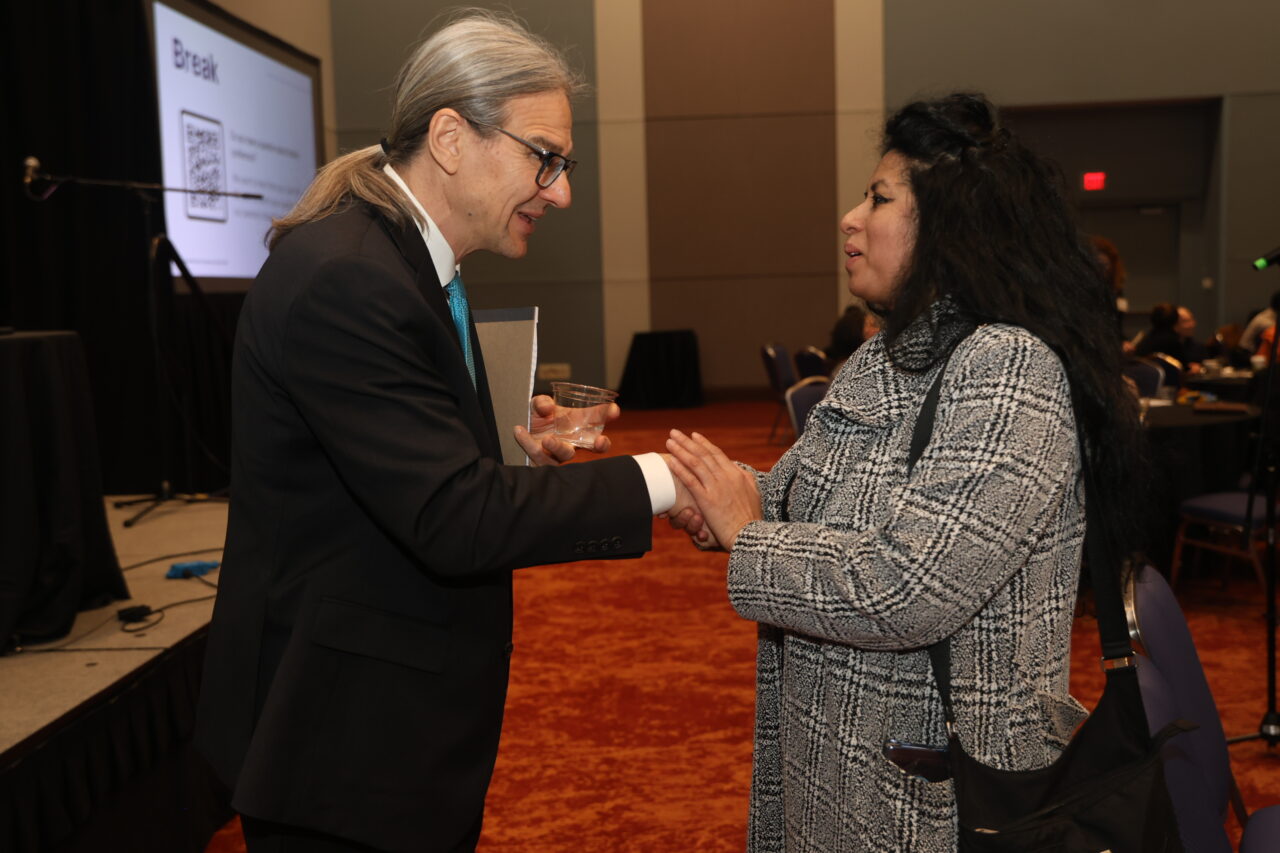
Now in its ninth year, SCEMA trains interdisciplinary teams to adopt a proactive, community-based approach to eliminating blight. The core message is clear: the solutions are already within reach, we just need to work together to make them a reality.
The session emphasized that cross-sector collaboration, not new laws or funding, is often the key to revitalizing distressed properties. Barlow and Schaffzin highlighted successful models in Memphis and Cleveland, where legal clinics, nonprofits, and municipal agencies align efforts in code enforcement, land banking, and receivership. The key takeaway: sustainable change is built from the ground up, driven by consistent communication, legal capacity, and a shared commitment to the mission.
Key elements of a strategic approach include:
- Coordinated use of tools like receivership, land banking, tax sales, and code enforcement
- Property-specific processes for vacant, owner-occupied, and renter-occupied buildings
- Ongoing stakeholder communication and public transparency
- Legal capacity to identify and remove barriers
- A central convener to keep the work moving forward
Interested in taking the next step? The application deadline for the 9th Annual Strategic Code Enforcement Management Academy is April 30, 2025. Held June 11–13 at the University of Memphis School of Law, this year’s program includes not only the two-day Academy but also optional access to two bonus offerings; an in-depth community tour on June 11 and a special receivership roundtable hosted by the Vacant Property Receivership Consortium starting June 10. Visit the SCEMA website for more information.
Developments in Receivership and Tax-Taking
Moderator: Dina Fein (MassINC Greg Torres Senior Fellow) Panelists: Amber Villa (Chief, Neighborhood Renewal Unit, Massachusetts Attorney General’s Office) Gerry McCafferty (Director of Housing, City of Springfield)
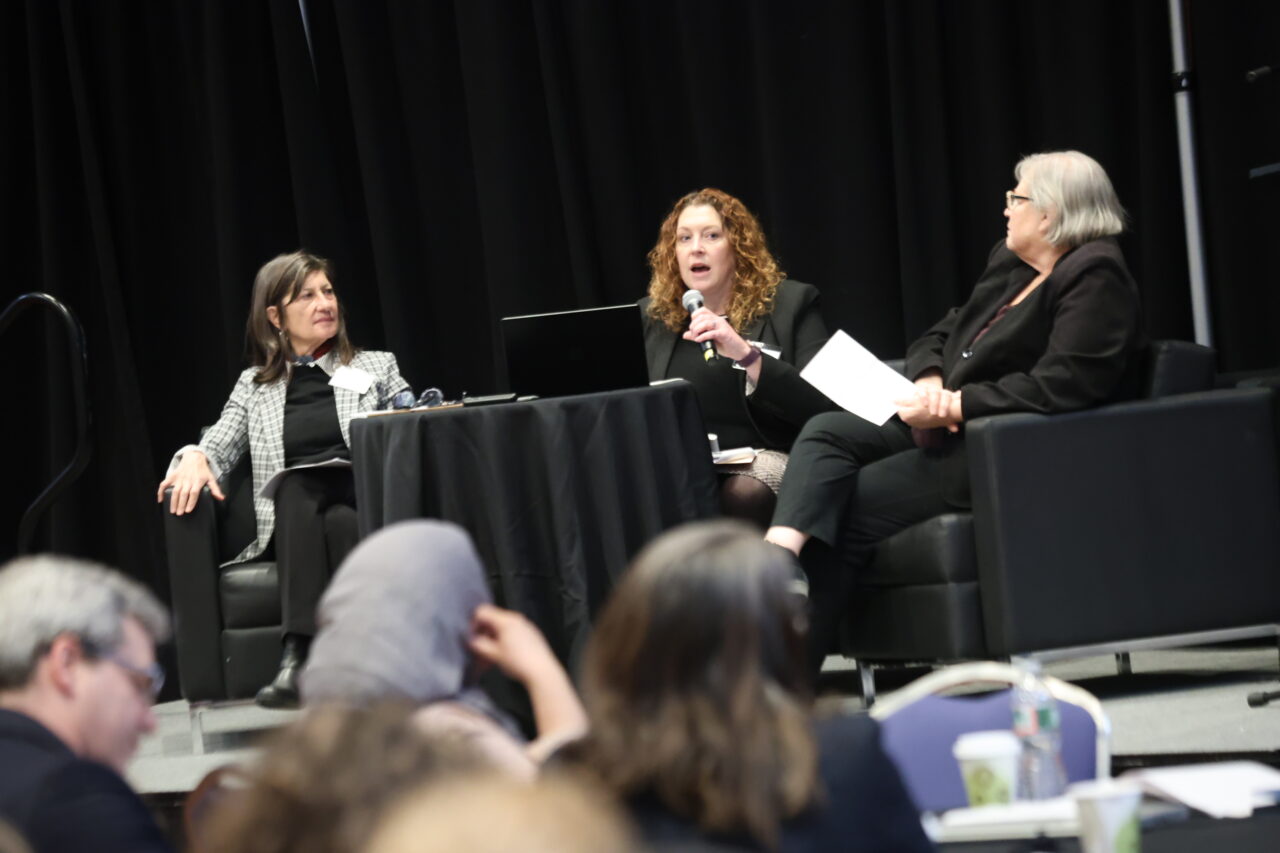
This panel explored the evolving legal and policy frameworks shaping how cities and towns reclaim distressed properties, with a focus on two crucial tools: receivership and tax foreclosure.
Panelists provided updates on recent state-level reforms, including significant changes to the receivership statute under the Affordable Homes Act and comprehensive revisions to the Commonwealth’s tax foreclosure process following the Supreme Court’s Tyler v. Hennepin County ruling.
In Developments in Receivership and Tax-Taking, Dina Fein, Amber Villa, and Gerry McCafferty delved into how legal reforms and innovative models are transforming Massachusetts’ approach to abandoned properties. They discussed how the Massachusetts Affordable Homes Act has expanded the receivership statute, enabling nonprofits to purchase properties at fair market value, thus creating new pathways to affordable homeownership. The conversation also explored the state’s recent overhaul of its tax foreclosure process, prompted by the Tyler v. Hennepin County Supreme Court decision, which now mandates the return of surplus equity to former property owners and introduces stricter procedures for selling or retaining foreclosed homes.
Key takeaways:
- Receivership remains a remedy of last resort but now includes pathways for nonprofit acquisition at fair market value
- The Western MA pilot introduces a court-sanctioned process to transfer distressed properties to mission-driven developers
- New rules require itemized accounting, appraisal standards, and excess equity disbursement timelines
- Massachusetts’ tax foreclosure law was amended in 2024 following the Tyler decision to protect homeowner equity
- Municipalities must now choose between retaining or selling foreclosed properties, under stricter conditions
Programs to Help Finance Your Projects: Local Innovation Meets Strategic Investment
Moderator: Beverly Estes-Smargiassi (NSP Program Manager, MassHousing)
Panelists: Josh Amaral (Director, Office of Housing & Community Development, City of New Bedford), John Gilbert (Real Estate Development Manager, Way Finders), Carolyn Valli (CEO, Central Berkshires Habitat for Humanity)
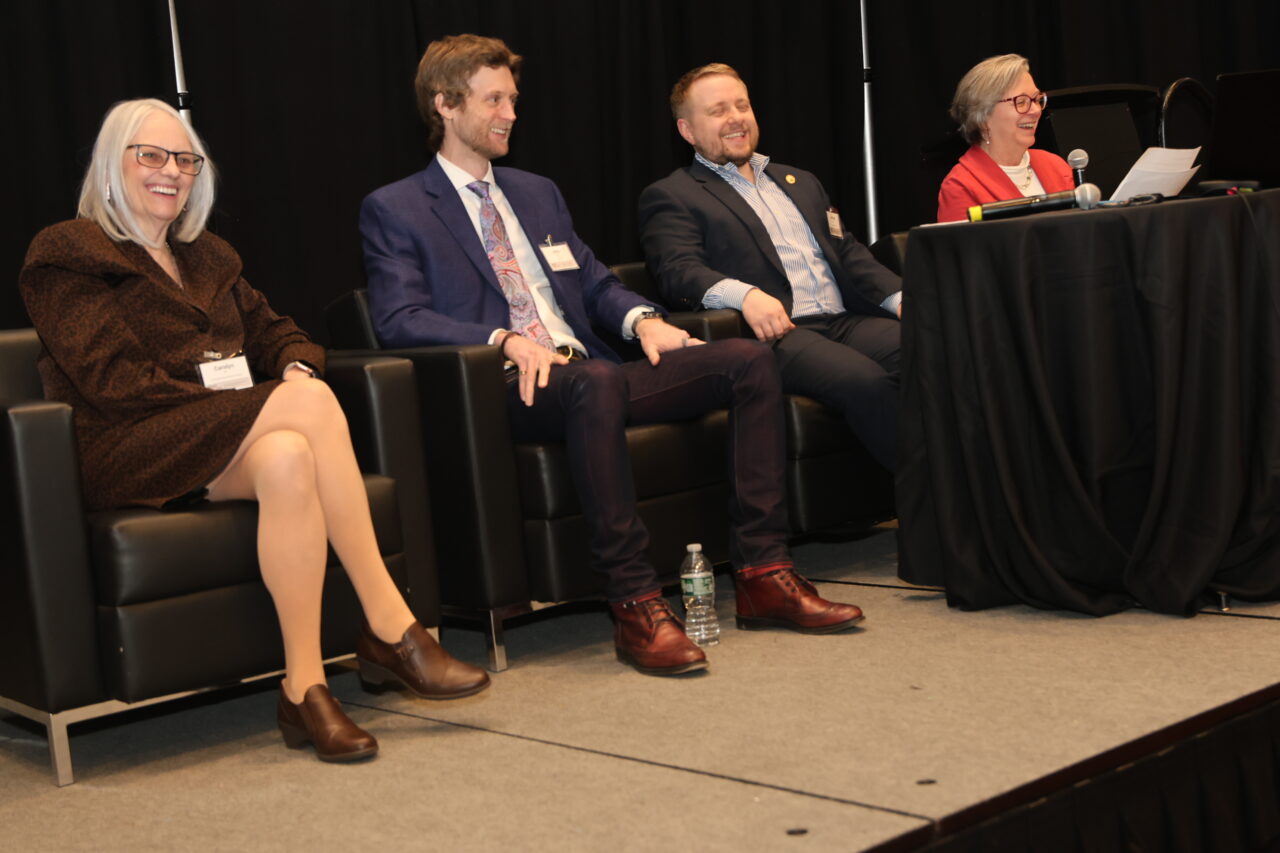
The third panel of the conference focused on how local governments, nonprofit developers, and housing agencies are leveraging a range of financial tools to bring vacant properties back to life and into the hands of first-time homebuyers. Speakers from MassHousing, Central Berkshires Habitat for Humanity, Way Finders, and the City of New Bedford shared case studies demonstrating how public-private partnerships, creative financing, and community-centered design can overcome barriers to redevelopment and ownership.
The Neighborhood Stabilization Program (NSP), ARPA funds, CPA grants, and other flexible capital sources are being used to rehabilitate or rebuild homes in disinvested neighborhoods. From Springfield’s City of Homes initiative to Pittsfield’s WestSide Rebirth, the goal remains the same: create affordable, owner-occupied housing while building generational wealth in historically excluded communities. Panelists also highlighted the logistical hurdles like title issues, tax liens, and overwhelmed heirs and how tailored strategies and layered funding can unlock stalled properties.
Key takeaways:
- NSP supports rehab and new construction of 1–15 unit properties with affordability requirements
- Way Finders’ “City of Homes” pilot is using receivership and nonprofit acquisition to stabilize Springfield neighborhoods
- New Bedford’s strategy tackles both legal and financial barriers with cross-agency coordination
- All panelists stressed the importance of combining subsidy, strategy, and strong partnerships to scale outcomes
- Habitat’s Pittsfield projects show how layered funding (NSP, ARPA, CPA) can stretch impact while keeping homes affordable
As the conference came to a close, participants expressed a shared sense of urgency and optimism. The day reinforced what many in the room already knew: reclaiming vacant properties is possible, but it requires collaboration, creativity, and staying power. Whether through legal reform, financing tools, or neighborhood partnerships, the path forward is clearer when we walk it together.
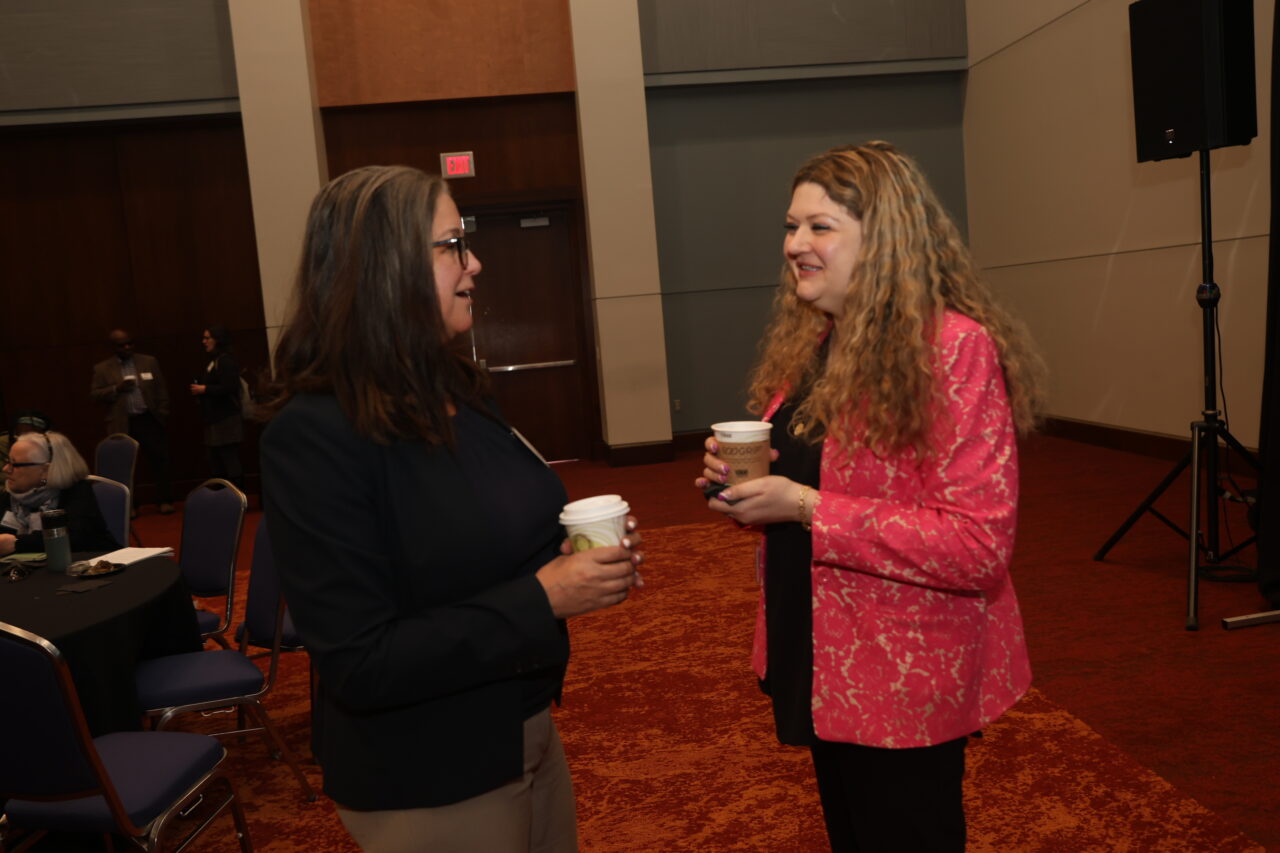
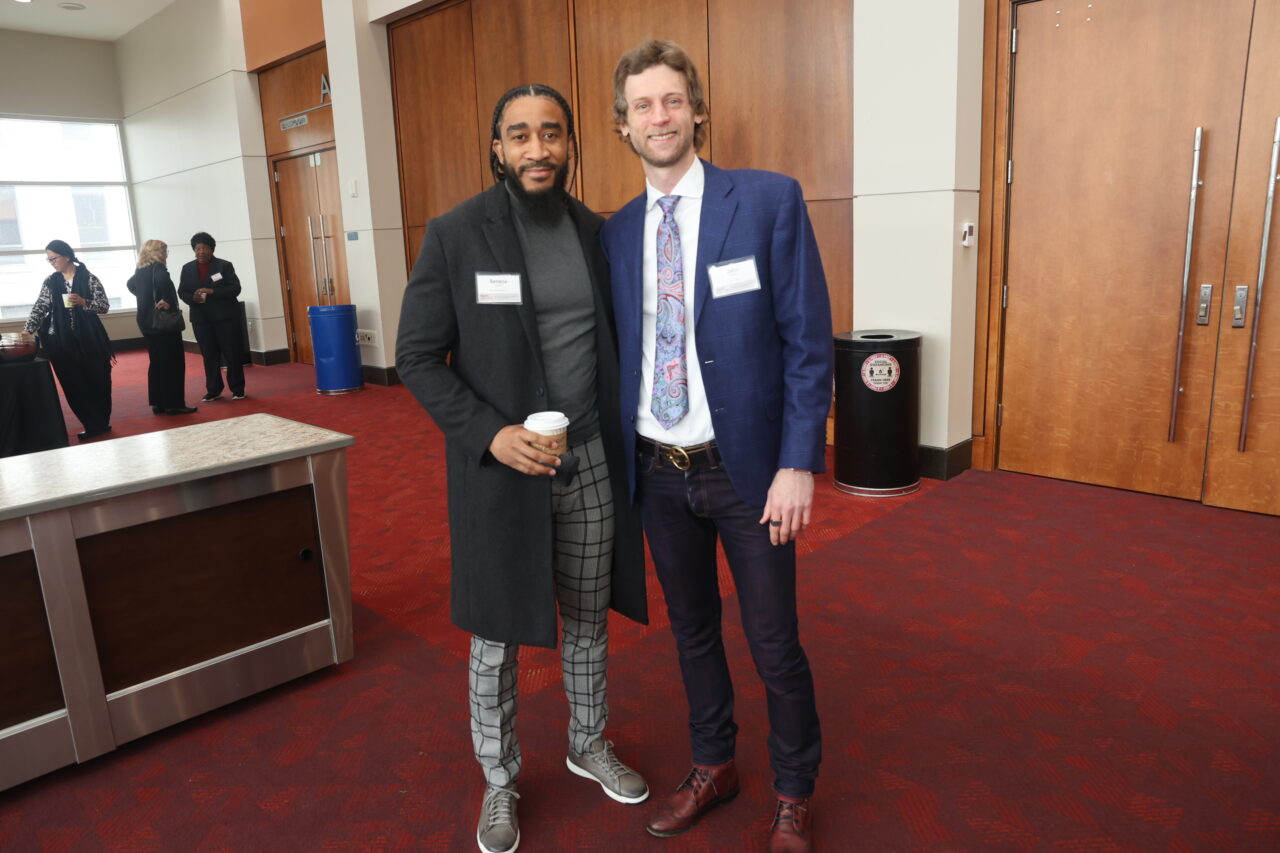
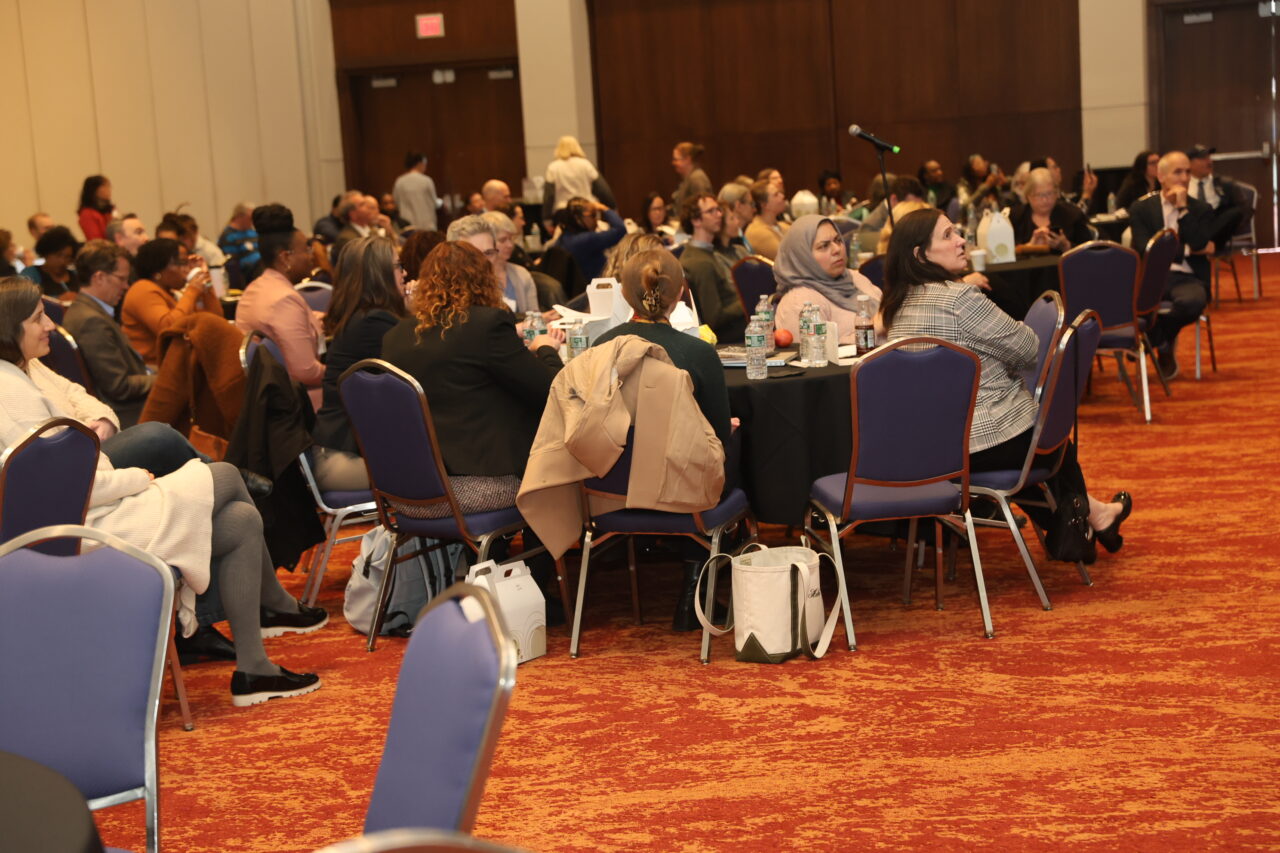
Thank you to our presenting partners from the MassMutual Foundation, as well as our co-sponsors Citizens’ Housing & Planning Association (CHAPA), MassHousing, Massachusetts Association of Community Development Corporations (MACDC), and Massachusetts Housing Partnership.
Conference Q&A: Responses from Speakers
Your thoughtful questions helped drive a powerful conversation around community revitalization and pathways to affordable housing. We’ve compiled responses from our speakers to keep the momentum going and support actionable solutions.
In the News
- Efforts in Springfield, Greenfield turn vacant properties into family homes (The Springfield Republican)
- Local non-profit addresses Springfield’s vacant homes crisis (News 22, WWLP)
- Mayor Sarno and Springfield City Officials attend MassINC Reclaiming Vacant Property Conference (City of Springfield)