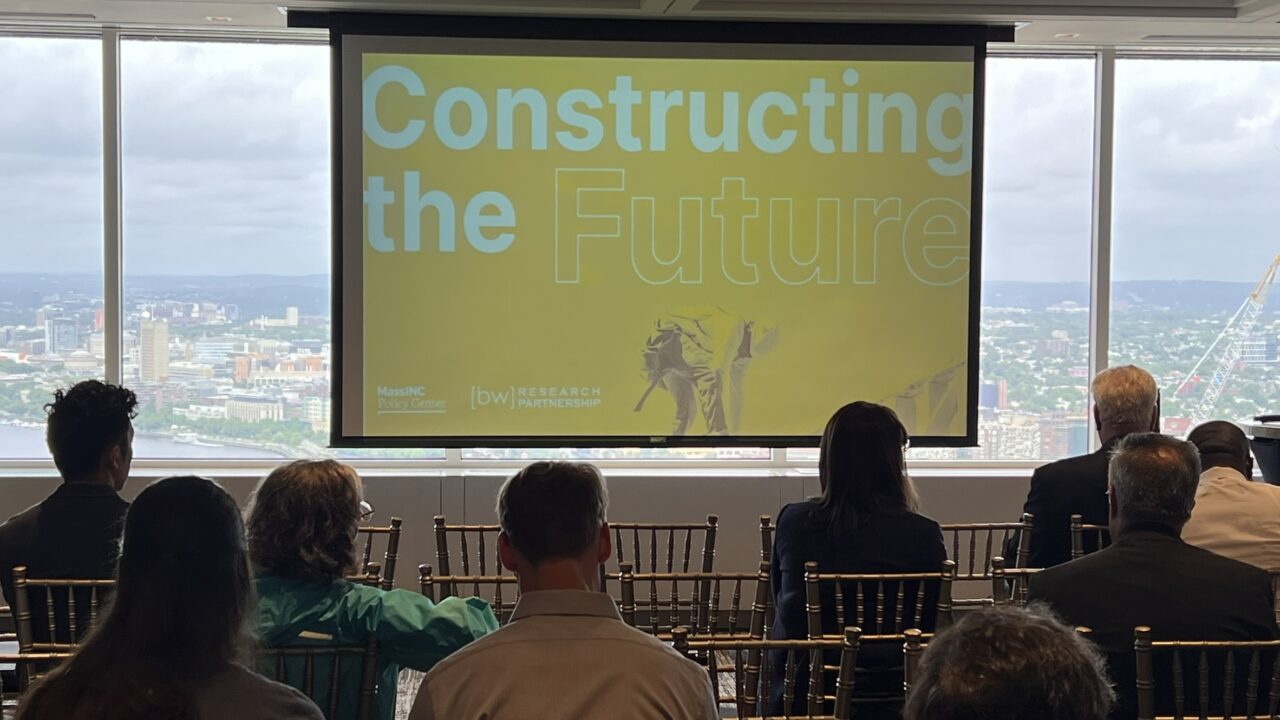
On June 17, 2025, the MassINC Policy Center hosted a report release forum for Constructing the Future: Workforce Strategies to Help Massachusetts Meet Its Clean Energy and Housing Goals. The event brought together policy researchers, industry leaders, and educators to explore the future of the construction workforce in Massachusetts. The gathering offered a timely discussion grounded in new data and fueled candid dialogue.
We opened with remarks from Mark Erlich, a member of the MassINC Board of Directors, who set the tone by underscoring the stakes: hitting the commonwealth’s ambitious housing and clean energy targets hinge on a healthy, well-trained, and resilient construction workforce.
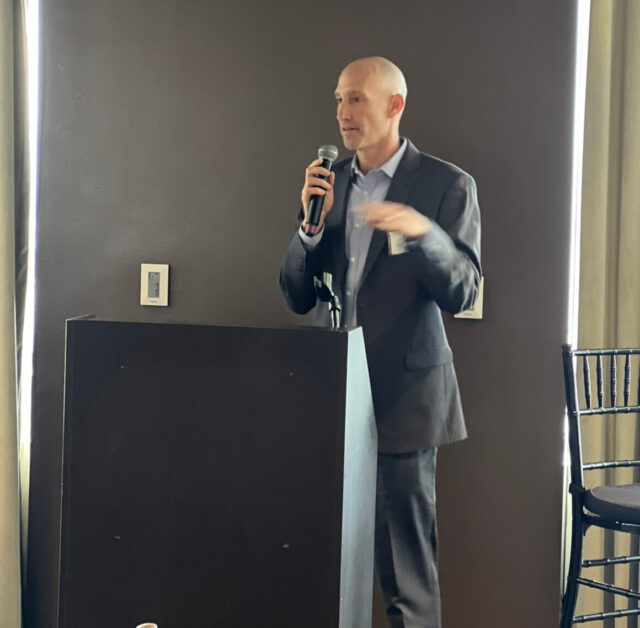
Next, Ben Forman, Director of the MassINC Policy Center, partnered with Phil Jordan, Vice President & Principal Researcher at BW Research Partnership, to present new findings. Their data painted a nuanced picture: while the state likely has enough skilled workers to meet housing and climate goals in the short term, that balance is fragile. Factors like an aging workforce and the depth of the current slowdown in commercial construction could tip the scales one way or the other.
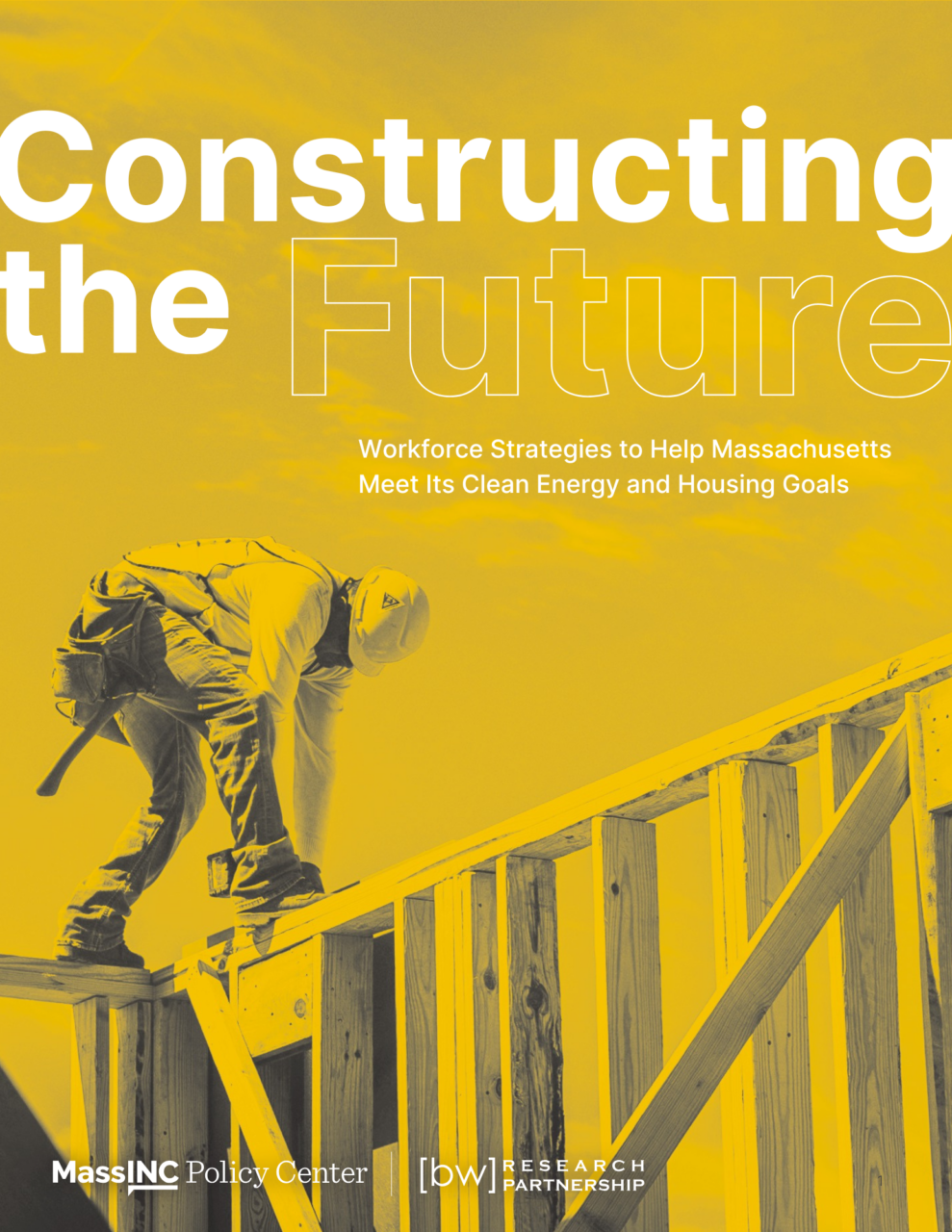
As Massachusetts invests billions in housing and clean energy infrastructure, we have a once-in-a-generation chance to close equity gaps in the labor market.
Constructing the Future: Workforce Strategies to Help Massachusetts Meet Its Clean Energy and Housing Goals outlines how the commonwealth can align workforce development with these historic investments ensuring residents are not just housed but hired to build the future.
Jennifer Applebaum, Managing Director of Workforce Development at the Massachusetts Clean Energy Center, moderated the panel of three leaders whose daily work intersects directly with these issues:
- Frank Callahan, President, Massachusetts Building Trades Unions
- Kristen Gowin, Executive Manager, Boston Chapter – National Electrical Contractors Association (NECA)
- Samantha Wood, Director of Strategic Innovation/Workforce Development, Greenfield Community College
Together, they unpacked the report’s findings through the lens of practice, policy, and lived experience.
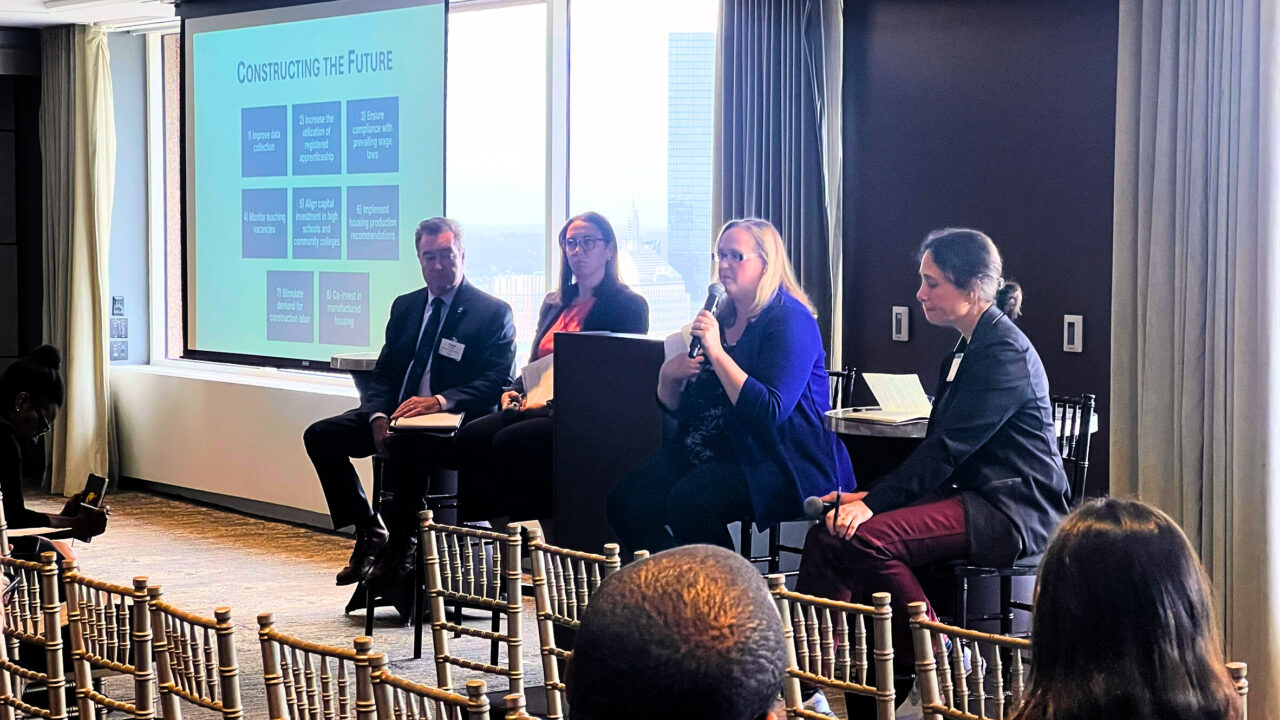
Kicking off the discussion, Frank Callahan highlighted the importance of aligning state policy and investment to keep skilled workers engaged amid economic slowdowns. Kristen Gowin added insights on how NECA contractors are already pivoting to support clean energy goals, while Samantha Wood explained how affordable housing demand drives the need for adaptable workforce development strategies.
Workforce and Business Composition
Turning to the challenge of an aging workforce, Samantha described Greenfield Community College’s efforts to bridge generational gaps—engaging older tradespeople to help train and inspire newcomers. Frank shared success stories from robust apprenticeship programs that continue to attract young applicants. Kristen emphasized the breadth of ongoing training and professional development offered through IBEW and NECA, ensuring workers remain highly skilled and technologically current.
Continuing to Prioritize Diversity
The conversation then focused on diversity, equity, and inclusion. Kristen discussed initiatives championed by NECA and IBEW to open doors for underrepresented groups. Frank spoke passionately about pre-apprenticeship programs like Building Pathways and Project Labor Agreements that have proven effective at broadening participation while benefiting local economies. Samantha underlined the vital role community colleges play—serving as accessible entry points and leveraging grant-supported training and new, free community college opportunities.
Audience Engagement and Forward-Looking Recommendations
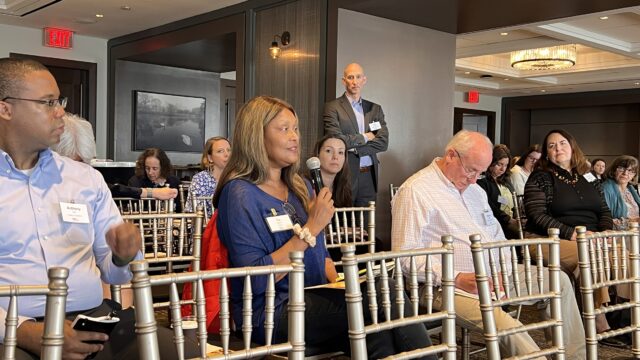
During the Q&A, the discussion touched on technological adoption and the potential of manufactured housing to boost productivity. Panelists explored how community colleges and apprenticeship programs can integrate training on emerging building technologies.
In closing, each panelist offered a concrete recommendation for the year ahead:
- Frank Callahan called for continued investment in apprenticeship and pre-apprenticeship programs.
- Kristen Gowin stressed the need to double down on upskilling and technology training.
- Samantha Wood advocated for sustaining free community college funding and expanding partnerships that create clear pathways into the trades.
Constructing the Future reinforced that while Massachusetts faces real challenges, collaboration across industry, education, and policy offers a path forward. By aligning resources, embracing innovation, and keeping equity at the center, the commonwealth can build a construction workforce ready to meet the moment.