Economic Development
-
Don’t let growth stop at Route 128
The economic development conference committee can give all regions fuel for growth.
August 14, 2026
-
Beacon Hill makes progress, but Mass. downtowns missing key supports
$5millon per year would transform what cities can do.
August 2, 2026
-
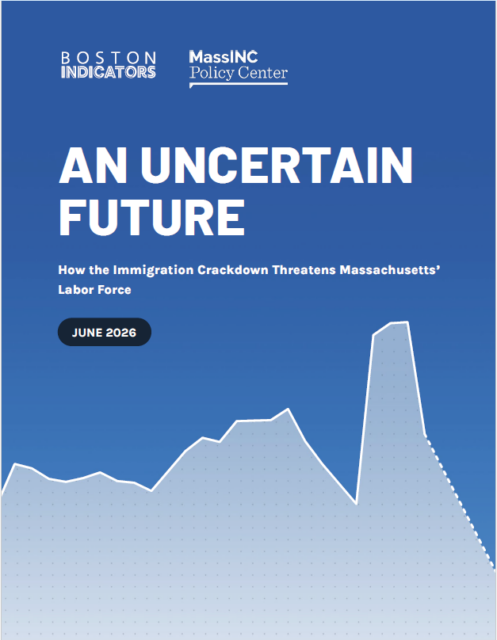
An Uncertain Future: How the Immigration Crackdown Threatens Massachusetts’ Labor Force
Recent federal immigration restrictions could have significant implications for Massachusetts’ economy and labor force. While much of the public discussion has focused on the human impact of these policies, this report examines their potential economic effects, with particular attention to labor force dynamics in three key industries. The analysis comes at a time of heightened uncertainty for the Massachusetts economy, as shifts in federal policy — including changes to research funding and the social safety net — may further affect the state’s workforce, employers, and communities.
June 4, 2026
-
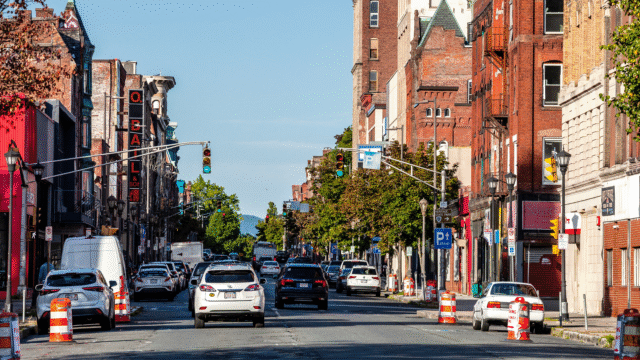
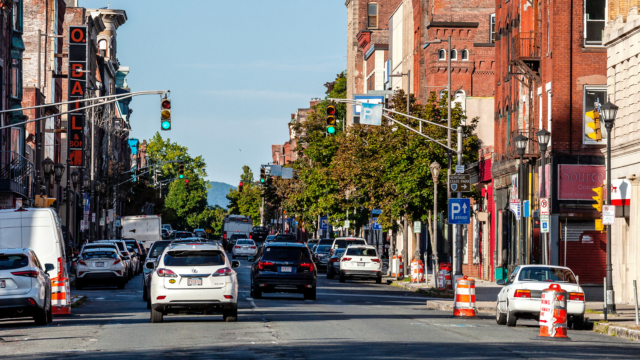
Downtowns get a little love
Massachusetts is giving its downtowns some Valentine’s Day attention with a new MDI Capital program aimed at funding local planning and streetscape improvements to spark economic vitality and replace last year’s defunded initiative.
February 17, 2026
-
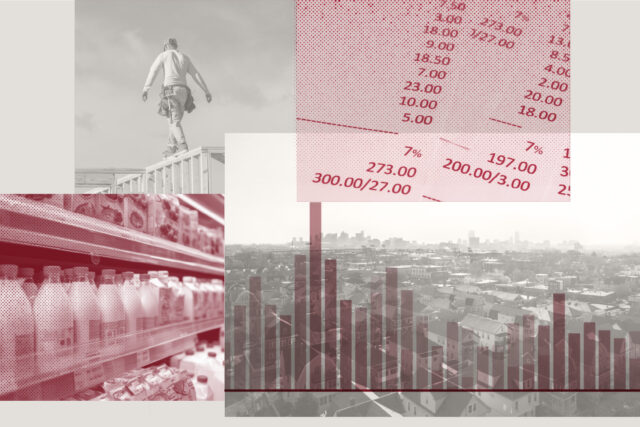
The Massachusetts Middle Class Status Report
As MassINC marks its 30th anniversary, the Massachusetts Middle Class Status Report revisits a foundational question: whether households in Massachusetts can achieve economic security, stability, and full participation in civic life. Using a multidimensional economic capacity framework, the report offers a rigorous, data-driven assessment of whether the Commonwealth’s economy is delivering broadly shared prosperity.
January 28, 2026
-

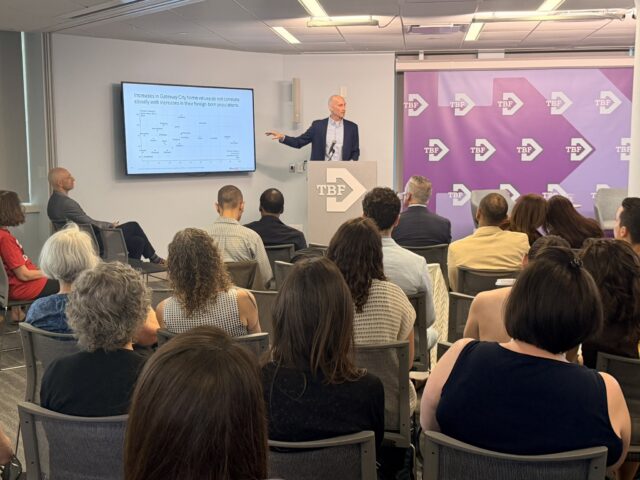
Constructing the Future Report Release
MassINC and partners explore the path ahead for Massachusetts’ skilled construction workforce.
June 30, 2025