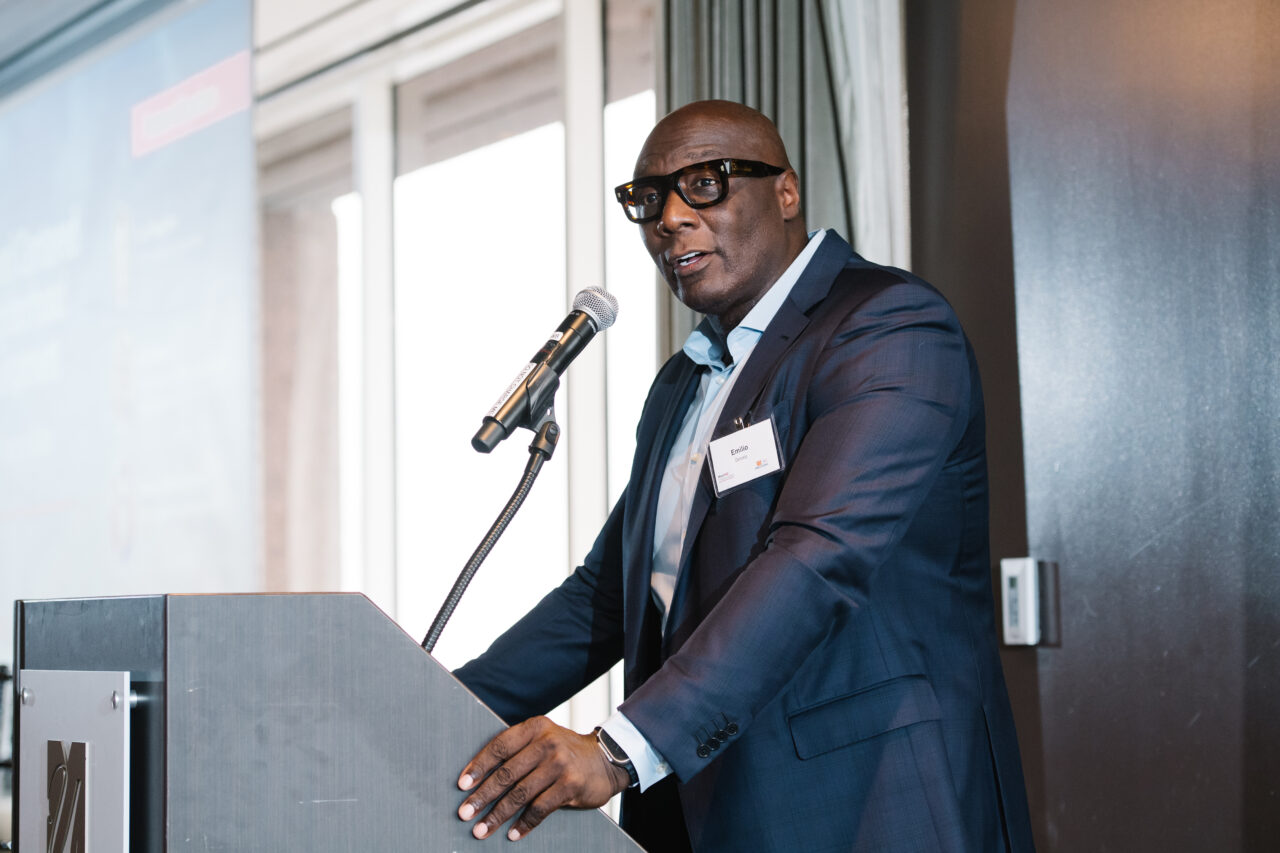
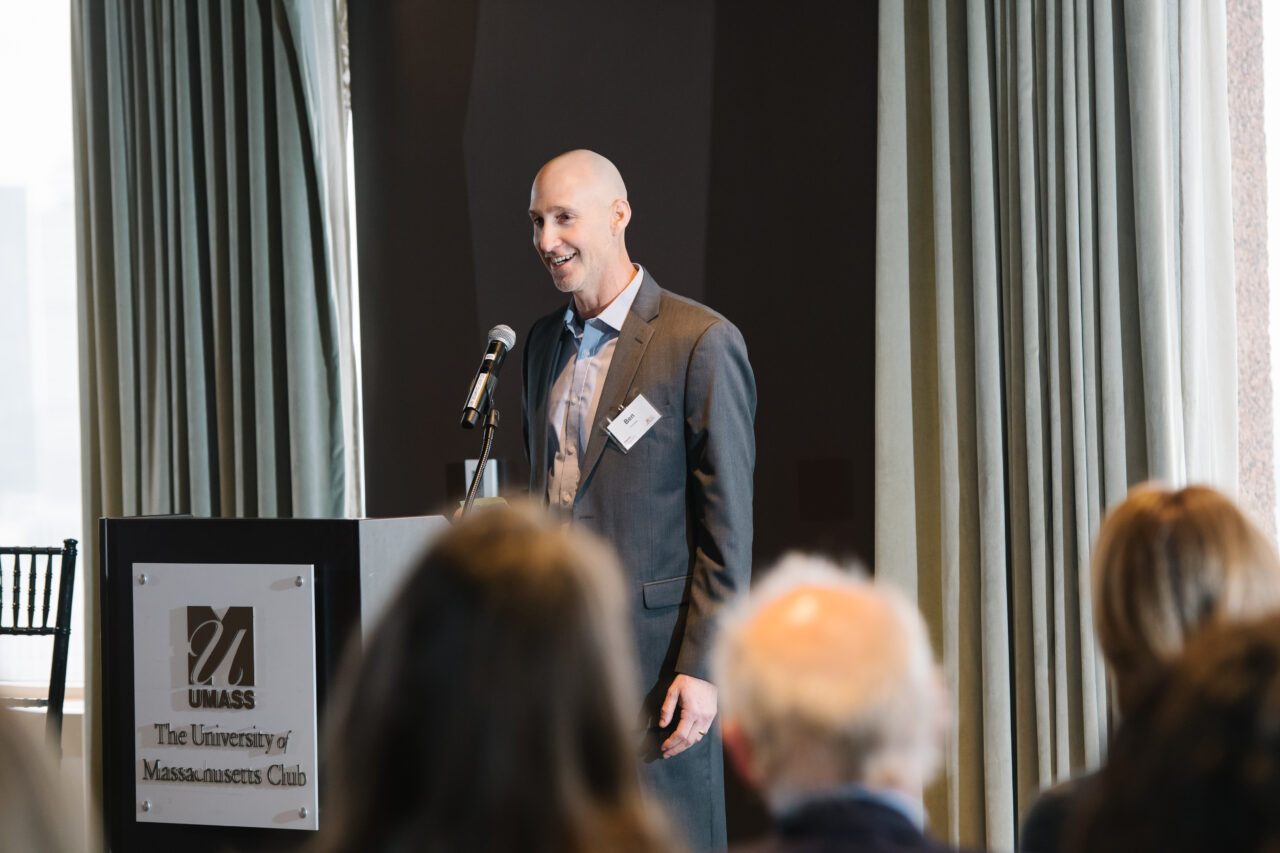
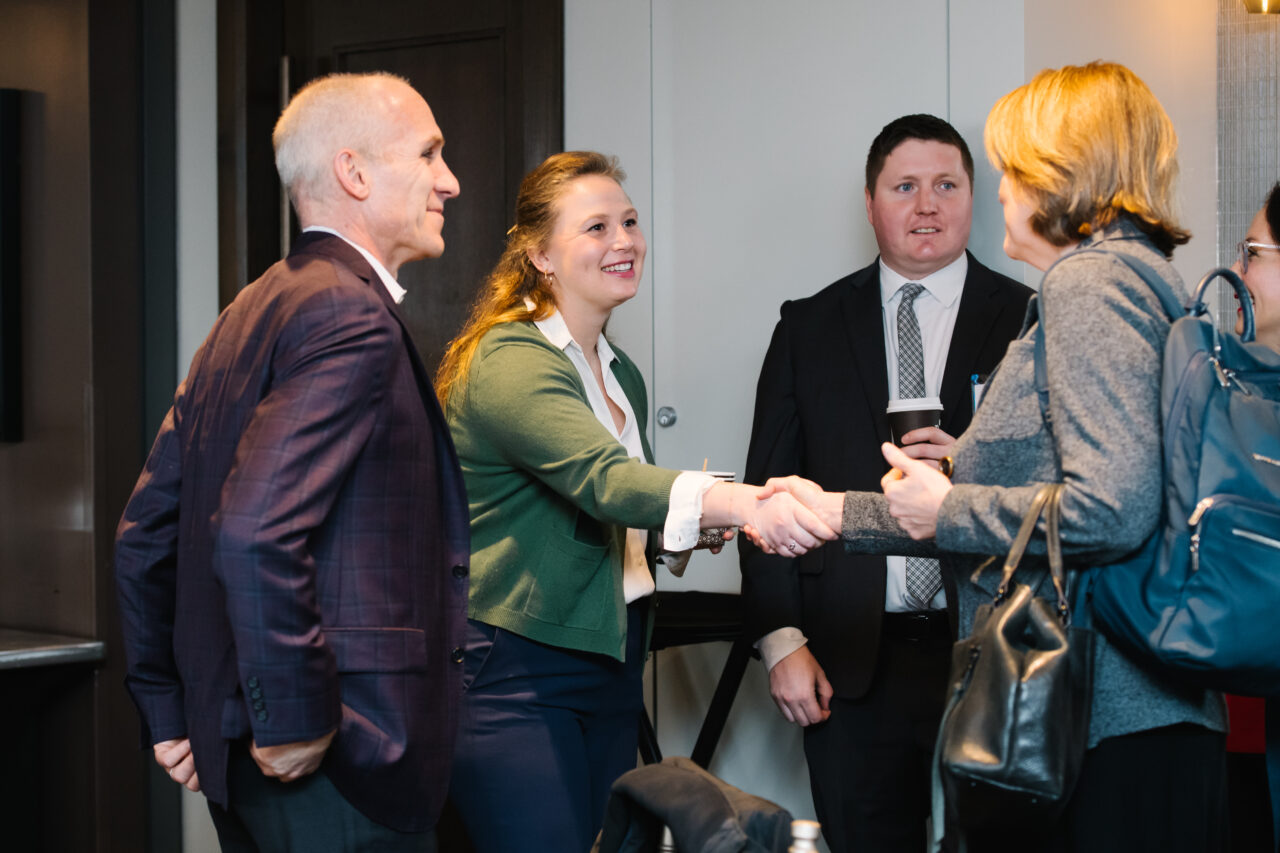
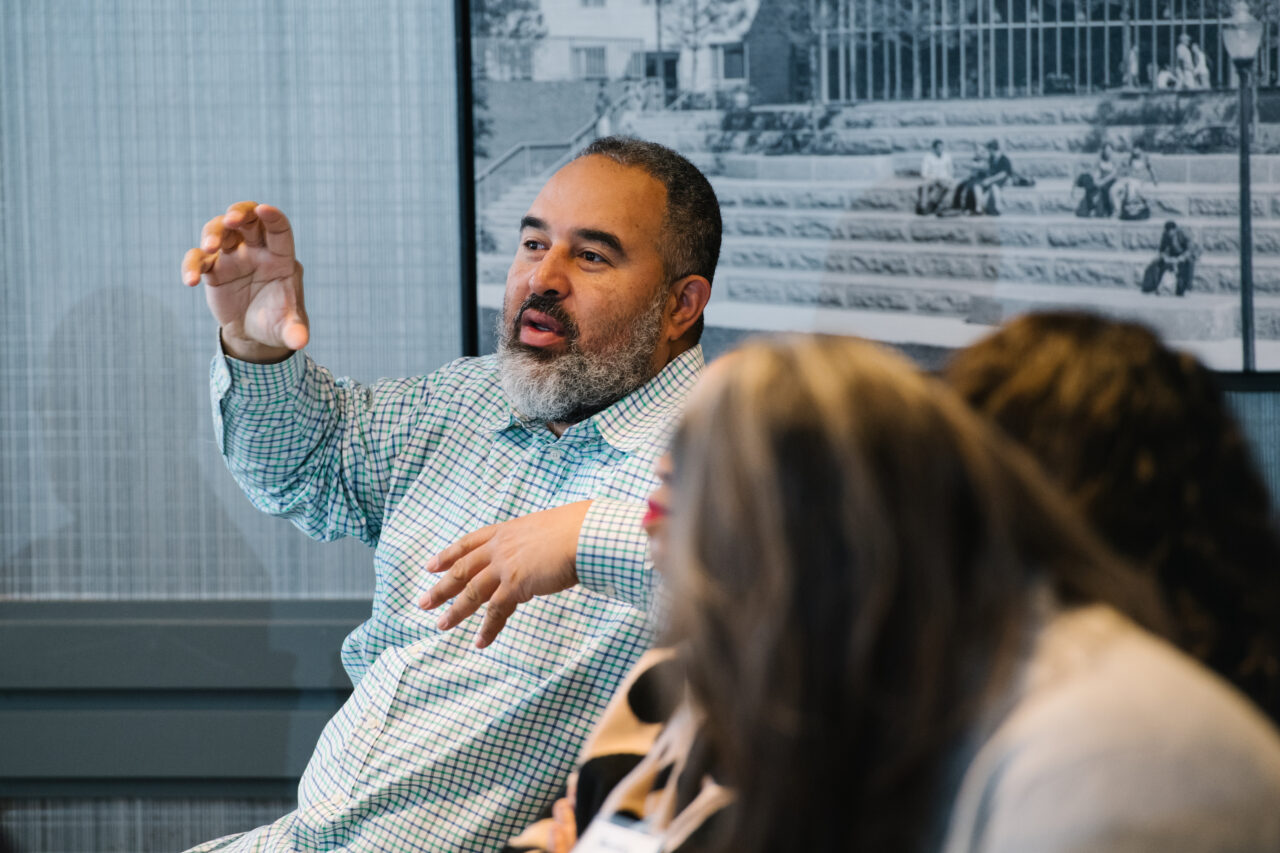
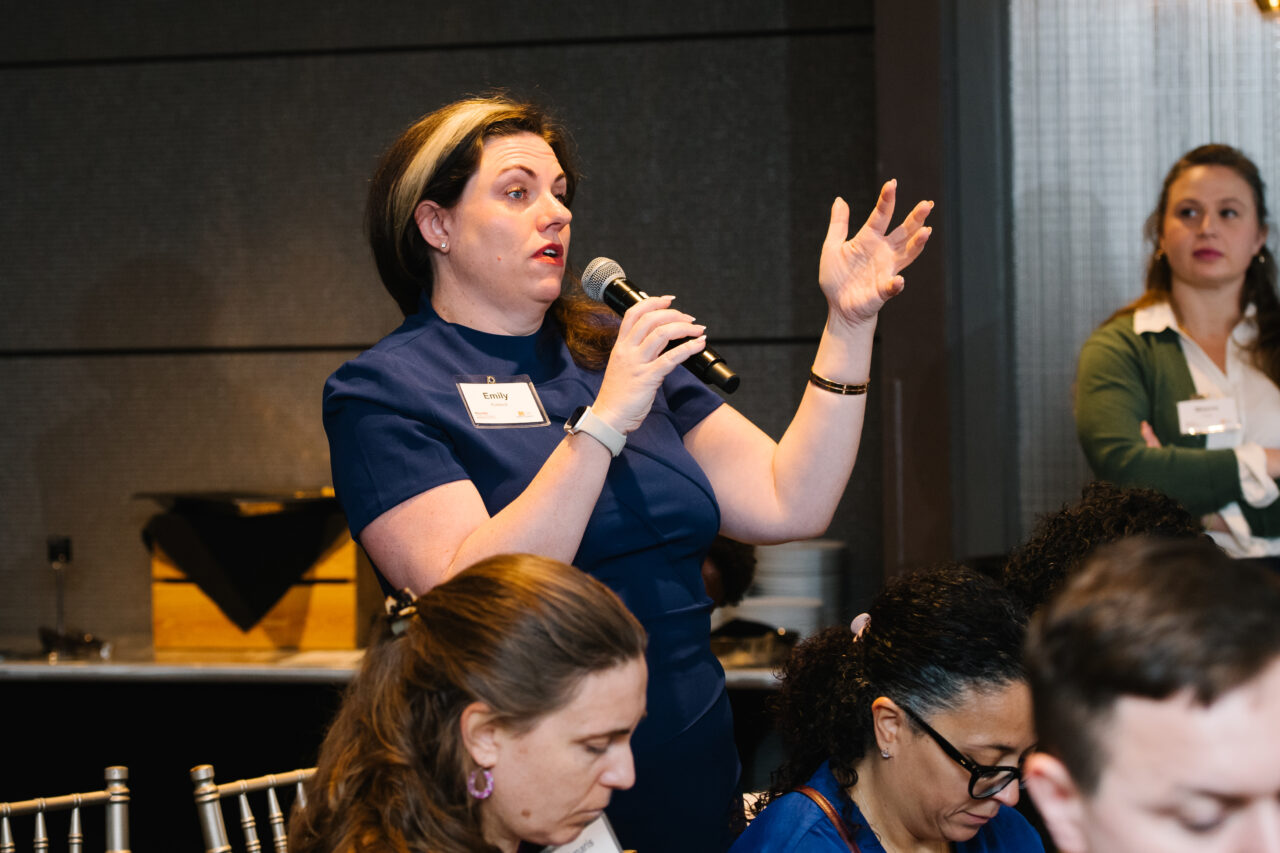
On Wednesday, February 12 MassINC and Urban Edge hosted School Centered Neighborhood Development: From Theory to Action to explore how schools and neighborhood partners can work together to advance holistic community development. The morning opened with remarks from Emilio Dorcely, CEO of Urban Edge and Ben Forman, Director of the MassINC Policy Center. Both shared their insights on the importance of building neighborhoods where youth and families can thrive.
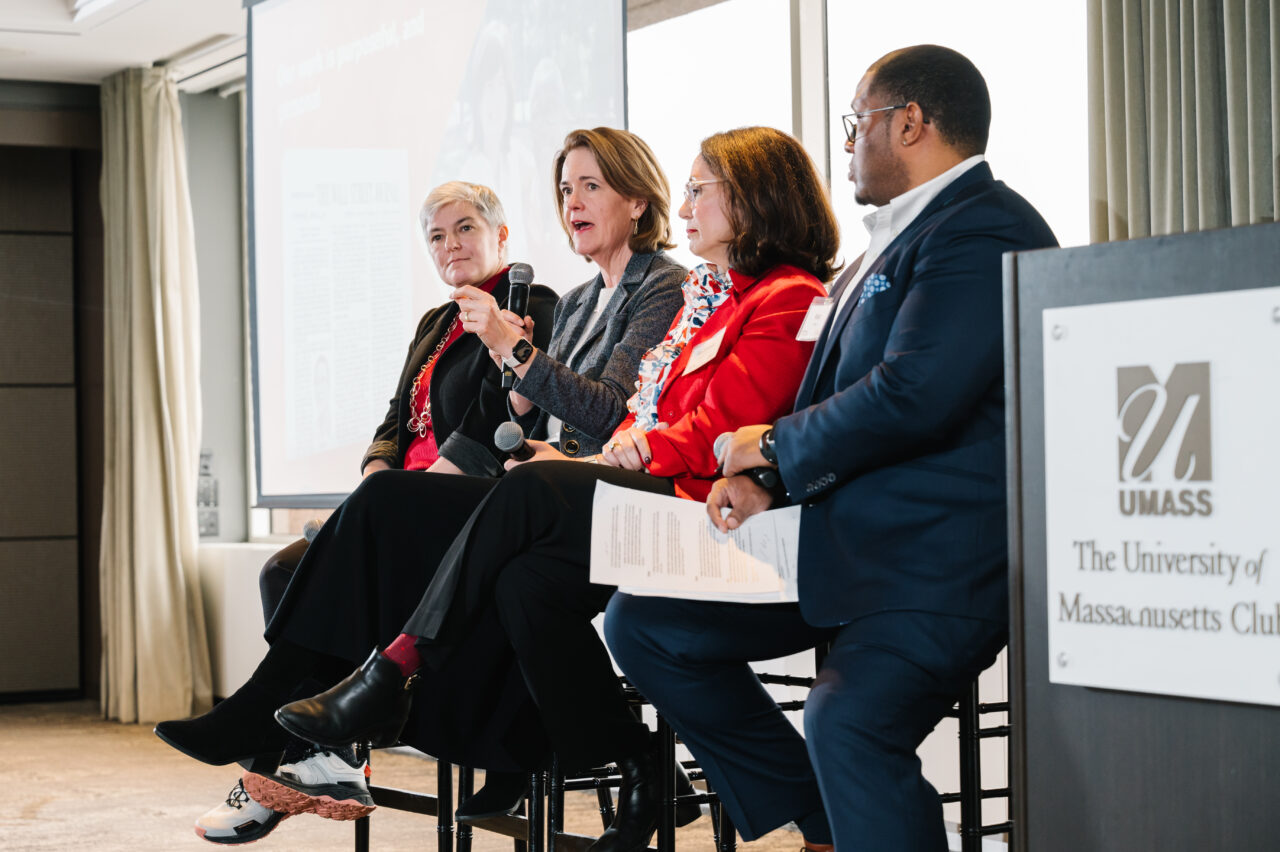
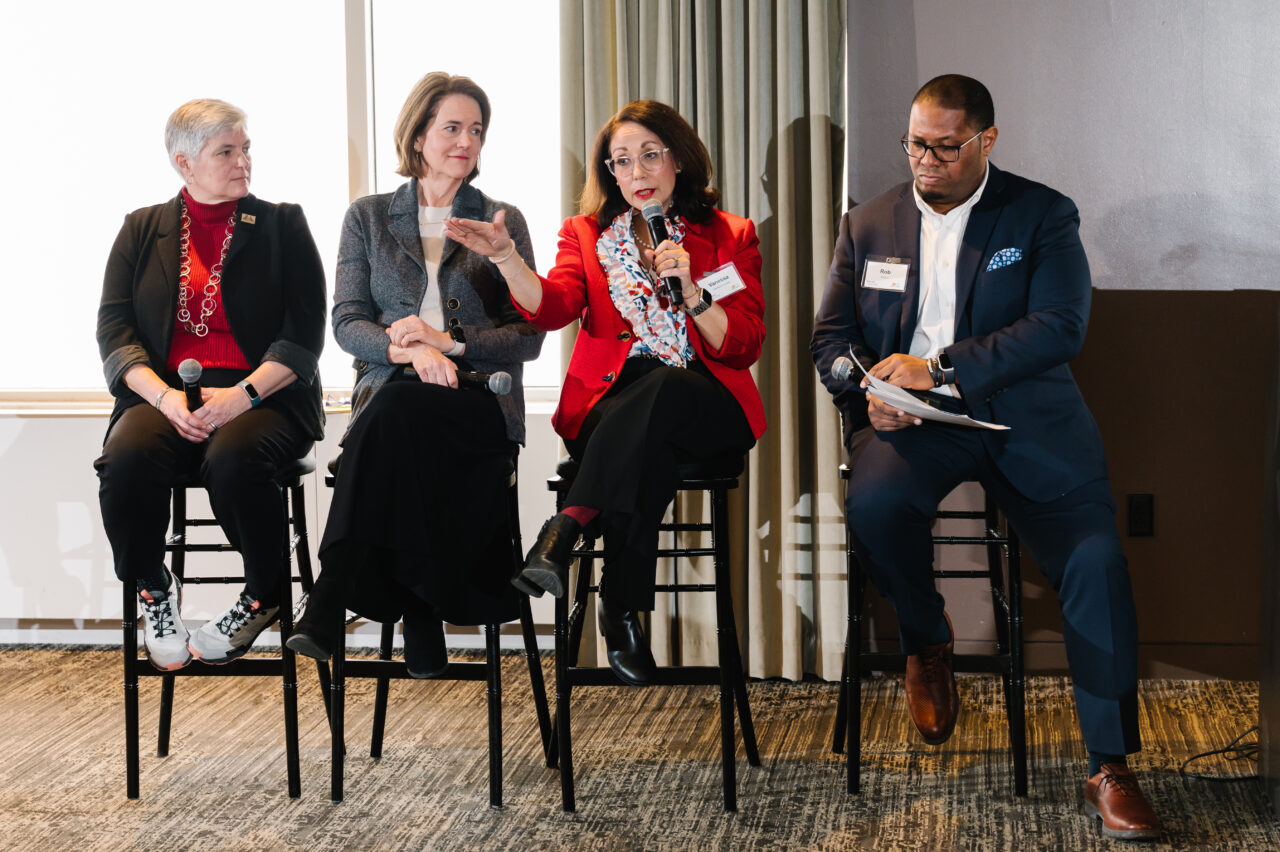
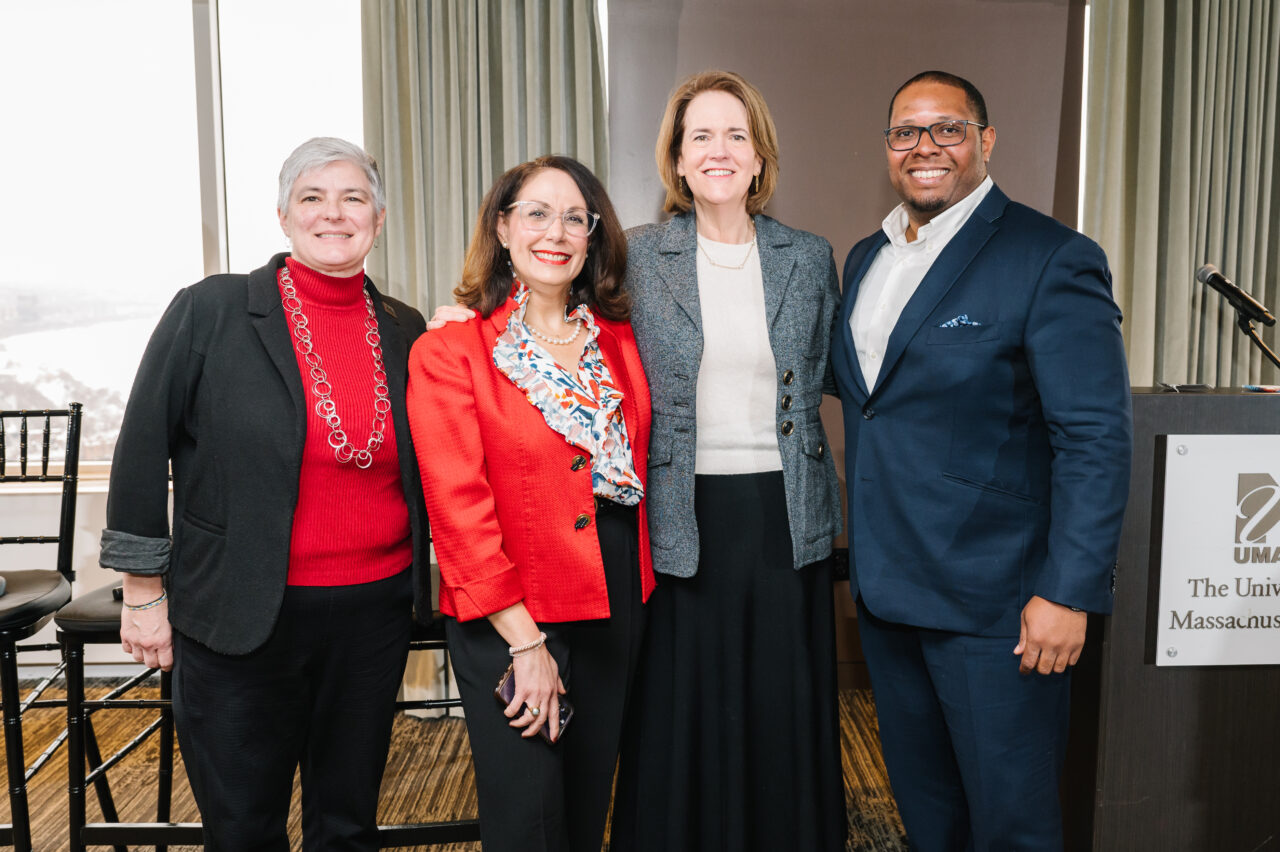
Carol Naughton, CEO of the Atlanta-based nonprofit Purpose Built Communities, gave an insightful presentation, titled Prosperity Starts with Place. Her remarks were followed by an engaging panel, moderated by Rob Watson, director of EdRedesign at the Harvard Graduate School of Education. The conversation featured thought-provoking insights from Carol Naughton, Kristin McSwain, Director of the Office of Early Childhood for the City of Boston, and Vanessa Calderón-Rosado, CEO of Inquilinos Boricuas en Acción. Together, they shared strategies for how schools can support neighborhood development and how neighborhoods can lift up schools in a way that improves outcomes for students, families, and residents of the entire community.



Key Takeaways:
- Schools as community anchors: Schools are not just educational institutions—they are central to neighborhood identity, stability, and opportunity. Investing in school-centered neighborhood development means creating environments where students and families have access to quality housing, safe public spaces, and economic opportunity. Carol Naughton highlighted successful models where schools have driven neighborhood revitalization, emphasizing the importance of community-driven planning for long-term change.
- Cross-sector collaboration is key: Sustainable, school-centered neighborhood development requires intentional partnerships across education, housing, community development, and local government. Kristin McSwain discussed how multi-sector coordination can maximize resources and break down systemic barriers. The panel underscored the importance of shared goals and sustained investment from both public and private entities. Carol Naughton underscored the critical role played by a local community quarterback organization that helps coordinate multiple efforts across different organizations and institutions.
- Lessons from successful initiatives: Vanessa Calderón-Rosado shared insights from local efforts that demonstrate how integrating school improvements with community investments can create lasting change. From expanding wraparound services to developing mixed-income housing near schools, these initiatives show the power of aligning resources to support families holistically. Panelists also discussed challenges, such as navigating multiple funding streams and ensuring community voices lead decision-making processes.
The morning ended with closing remarks from Karley Ausiello, Chief of Community Impact for United Way of Massachusetts Bay.
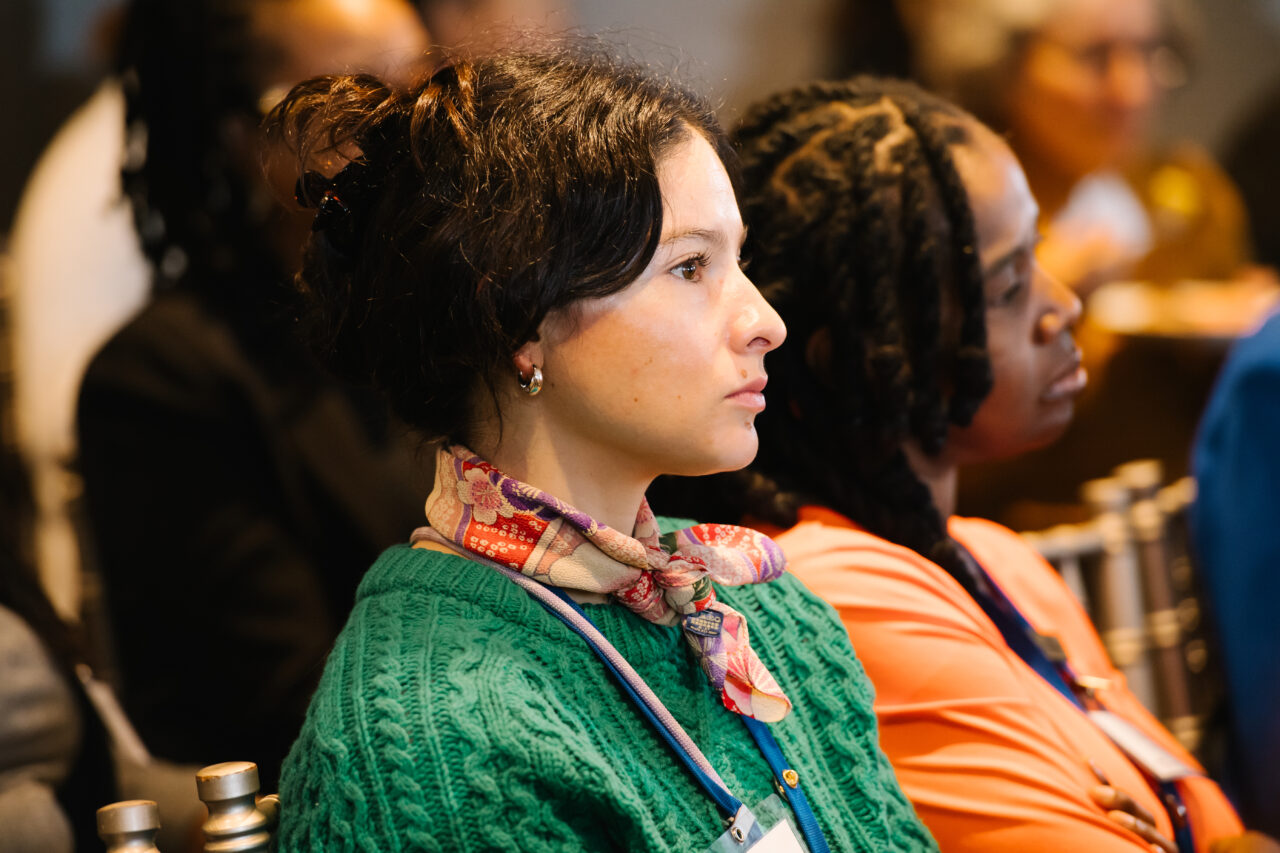
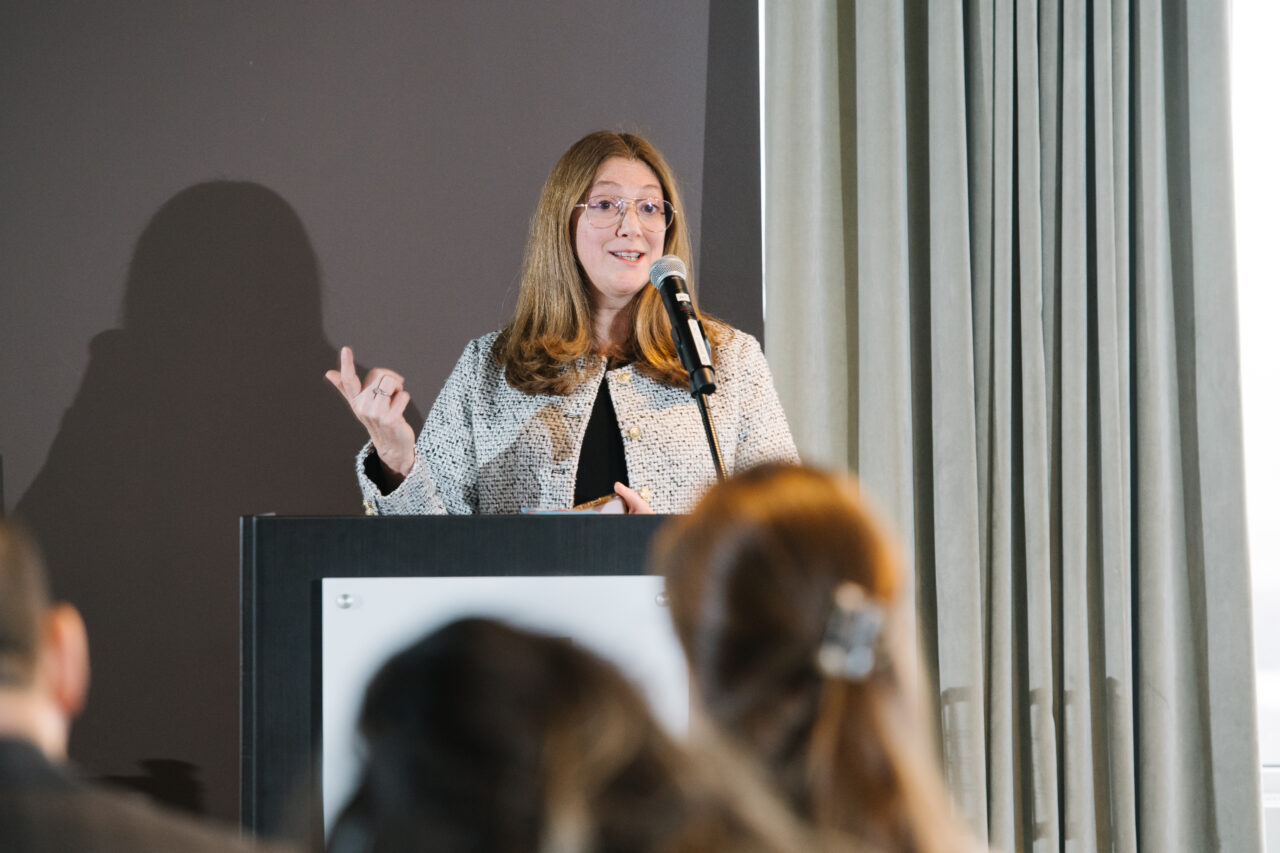
We intend to continue this conversation across the state by convening local leaders in specific cities and neighborhoods and by driving a statewide conversation about how the state can support these efforts. An Act to Promote School Centered Neighborhood Development was recently filed to support the presence of community schools in Massachusetts. We are also encouraging people to learn more about the impact of this movement across the country by attending Purpose Built Communities’ national conference in Houston, TX starting April 29. You can also learn more by checking out our recent report, the Massachusetts School Centered Neighborhood Development Playbook, which dives deeper into the strategies and case studies to advance the practice.
Stay connected with MassINC for future events and research by subscribing to our newsletter.
Resources
Presentation: Prosperity Starts with Place

Carol Naughton’s presentation provided a compelling look at how schools can serve as catalysts for holistic neighborhood revitalization. Take a look at the slides to see national examples of successful models where education, housing, and economic development are integrated to create thriving communities.
In the News: Lessons for Boston, from my hometown

MassINC CEO Joe Kriesberg was featured in the Boston Globe reflecting on the efforts in Syracuse’s 15th Ward to rebuild housing, create integrated schools, and address poverty, underscoring the importance of strategic investments in both education and the community for a better future.
The Massachusetts School Centered Neighborhood Development Playbook

Neighborhood vitality and public school performance are closely linked, yet education improvement efforts are generally siloed from planning, housing, and community development. This disconnect has contributed to increasingly high levels of racial and economic segregation in public schools. This report outlines school-centered neighborhood development strategies and tactics that communities can deploy to build more mixed-income neighborhoods and schools.