
Ben Forman is the Director of MassINC’s Policy Center. He coordinates the development of the organization’s research agenda and oversees production of research reports. Ben has authored a number of MassINC publications and he speaks frequently to organizations and media across Massachusetts. With a background in urban revitalization and sustainable growth and development, he is uniquely suited to the organization’s focus on strong communities and economic security.
Prior to joining MassINC in 2008, Ben oversaw strategic planning for the District of Columbia Department of Parks and Recreation, a large agency providing critical services to youth and families in neighborhoods throughout the city. He also worked as a research assistant at the Brookings Institution Metropolitan Policy Program in Washington, DC and Nathan Associates, a global economic development consulting firm.
As a graduate student, Ben was awarded a Rappaport Public Policy Fellowship and served in the City of New Bedford’s planning department. He also worked as a graduate research assistant on a multi-year longitudinal analysis measuring the impact of new information technologies on neighborhood social networks.
Ben graduated from Trinity College, Hartford with a bachelor’s degree in economics. He completed his master’s degree in city planning at the Massachusetts Institute of Technology.
-
Early College as a Force for Equity in the Post-Pandemic Era
New report from MassINC analyzes the success of the first two Early College cohorts, and how the program can address gaps in college completion.
April 14, 2021
-
Unleashing the Potential of Entrepreneurs of Color in Massachusetts
This report highlights both the need and the opportunity to put inclusive entrepreneurship at the core of the state’s economic growth in 2021 and beyond.
March 29, 2021
-
Viewing Justice Reinvestment from a Correctional Officer’s Perspective
This paper highlights Massachusetts's unprecedented opportunity to make better use of limited public safety resources. By reducing the incarcerated population and reinventing correctional practices with more leadership and direction from those on the frontlines, state and local leaders can create healthier environments and more successful outcomes for the incarcerated population.
February 11, 2021
-
Going for Growth
Exploring how efforts to increase digital inclusion can yield large benefits for Gateway Cities, their residents, and similar cities.
December 1, 2020
-
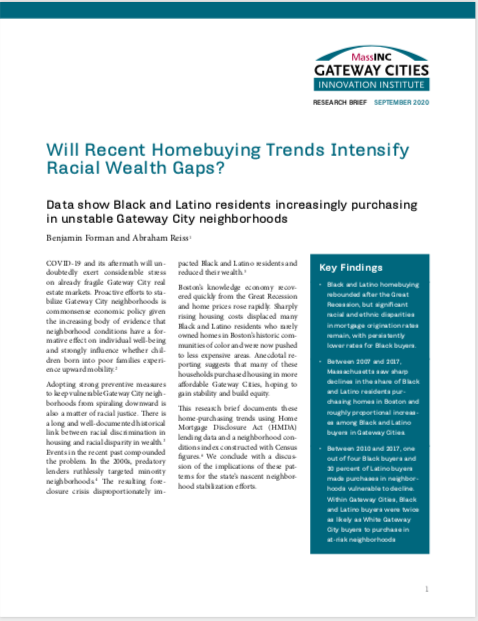
Will Recent Homebuying Trends Intensify Racial Wealth Gaps?
Data show Black and Latino residents increasingly purchasing in unstable Gateway City neighborhoods
September 28, 2020
-
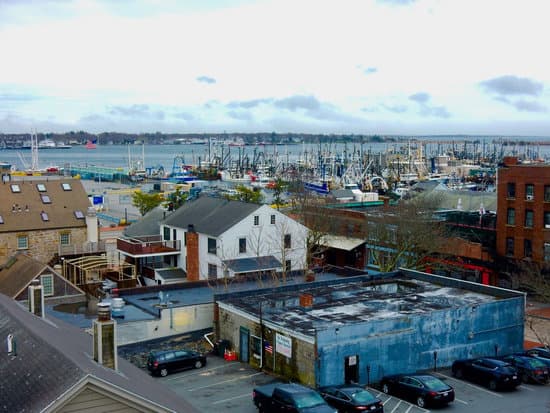
New economic development legislation is a boon for Gateway Cities
Without intervention and a new funding stream, the coronavirus crisis will further destabilize vulnerable Gateway City neighborhoods.
July 10, 2020
-

With prison populations halved, it’s time for a reinvestment strategy
All told, state and county correctional agencies maintain a complex of nearly 500 buildings with approximately 10 million square feet among them.
June 24, 2020
-

-
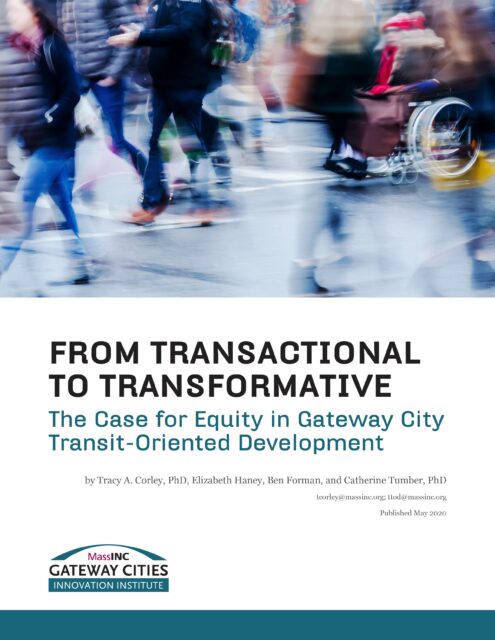
From Transactional to Transformative
The Case for Equity in Gateway City Transit-Oriented Development
May 18, 2020
-

Gateway Cities at the center of the digital divide in Massachusetts
The deep digital divide in Massachusetts is one of many glaring inequities brought into focus by the pandemic. Before schools were hastily forced into remote learning mode, the problem was largely perceived as rural.
May 5, 2020