
Ben Forman is the Director of MassINC’s Policy Center. He coordinates the development of the organization’s research agenda and oversees production of research reports. Ben has authored a number of MassINC publications and he speaks frequently to organizations and media across Massachusetts. With a background in urban revitalization and sustainable growth and development, he is uniquely suited to the organization’s focus on strong communities and economic security.
Prior to joining MassINC in 2008, Ben oversaw strategic planning for the District of Columbia Department of Parks and Recreation, a large agency providing critical services to youth and families in neighborhoods throughout the city. He also worked as a research assistant at the Brookings Institution Metropolitan Policy Program in Washington, DC and Nathan Associates, a global economic development consulting firm.
As a graduate student, Ben was awarded a Rappaport Public Policy Fellowship and served in the City of New Bedford’s planning department. He also worked as a graduate research assistant on a multi-year longitudinal analysis measuring the impact of new information technologies on neighborhood social networks.
Ben graduated from Trinity College, Hartford with a bachelor’s degree in economics. He completed his master’s degree in city planning at the Massachusetts Institute of Technology.
-

2025 Gateway Cities Housing Monitor | Chapter 2: Housing Affordability
September 24, 2025
-
Gateway Cities Journal | A Season of Change: What’s Ahead for Gateway Cities This Fall
From housing and education research to municipal elections and policy debates, this fall promises to be a pivotal season for Gateway Cities and the work we’re advancing together.
September 8, 2025
-

Gateway Cities Journal | Summer in the City
Summer in the Gateway Cities bursts with cultural festivals and community gatherings that not only celebrate local pride and diversity, but also fuel small business growth and economic resilience.
August 8, 2025
-
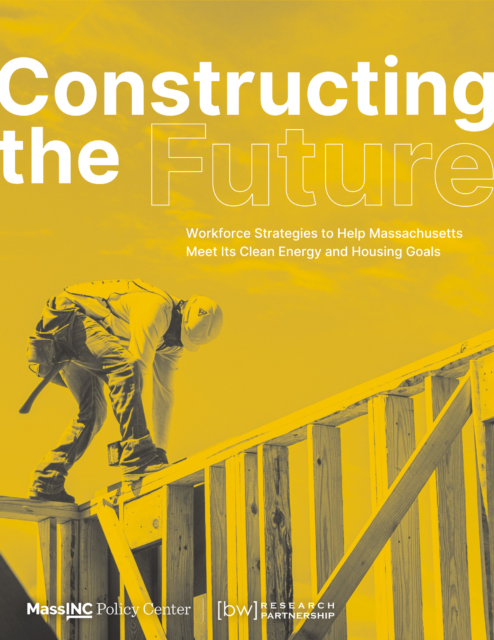
Constructing the Future: Strategies to Help Massachusetts Meet Its Clean Energy and Housing Goals
June 17, 2025
- Construction output has declined in recent years. Prompt action to stimulate demand is necessary to sustain this critical workforce and preserve long-term industry capacity.
- Assuming continued economic growth, scaling up the training system to meet workforce needs for housing and clean energy should be an attainable goal.
- Recent progress in racial, ethnic, and gender diversity presents an opportunity to expand the industry’s future labor pool.
- Reducing construction costs while maintaining competitive, family-sustaining wages will require meaningful gains in productivity.
-
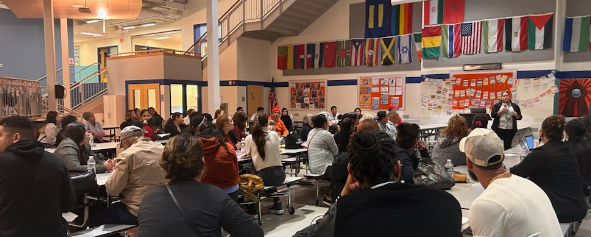
Gateway Cities Journal | ESOL in Massachusetts: Short-term relief, long-term strategy
Progress in the quest for a more robust and more dynamic ESOL training system in Massachusetts.
May 15, 2025
-
Public Commentary — Policy Center
Kerry Healey was right: we should discuss senior ‘overhousing’
Making it easier for seniors to downsize would be welcomed by those who want to move — and be a boon for families squeezed by our housing shortage.
April 2, 2025