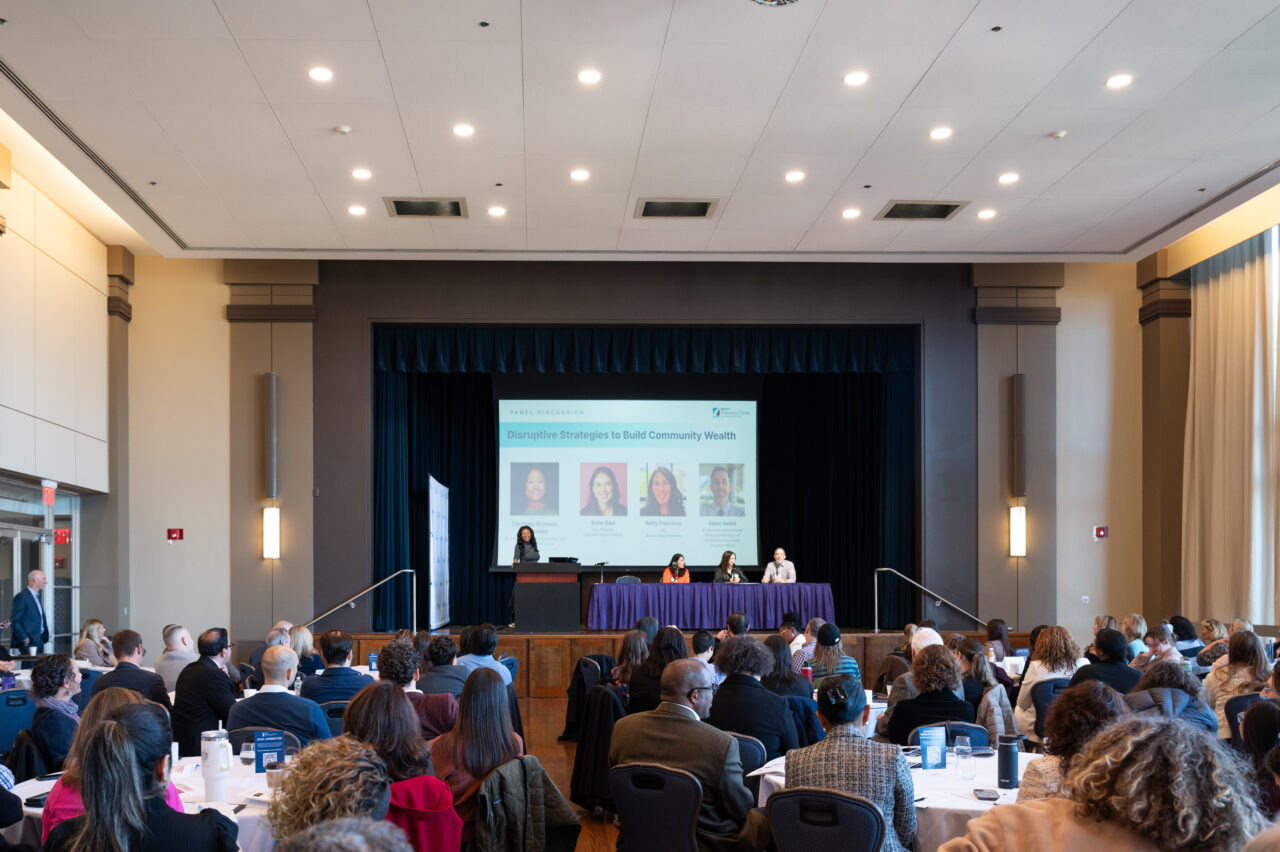
What does it take to build and sustain a middle-class life in Massachusetts, and how can Gateway Cities put that goal within reach for more residents? That question brought municipal leaders, policymakers, economic developers, and community partners to the College of the Holy Cross in Worcester on November 18 for the 14th Annual Gateway Cities Innovation Summit. Hosted by the Gateway Cities Innovation Institute, the summit explored how good jobs, affordable housing, and access to education and training can expand economic opportunity across the Commonwealth.
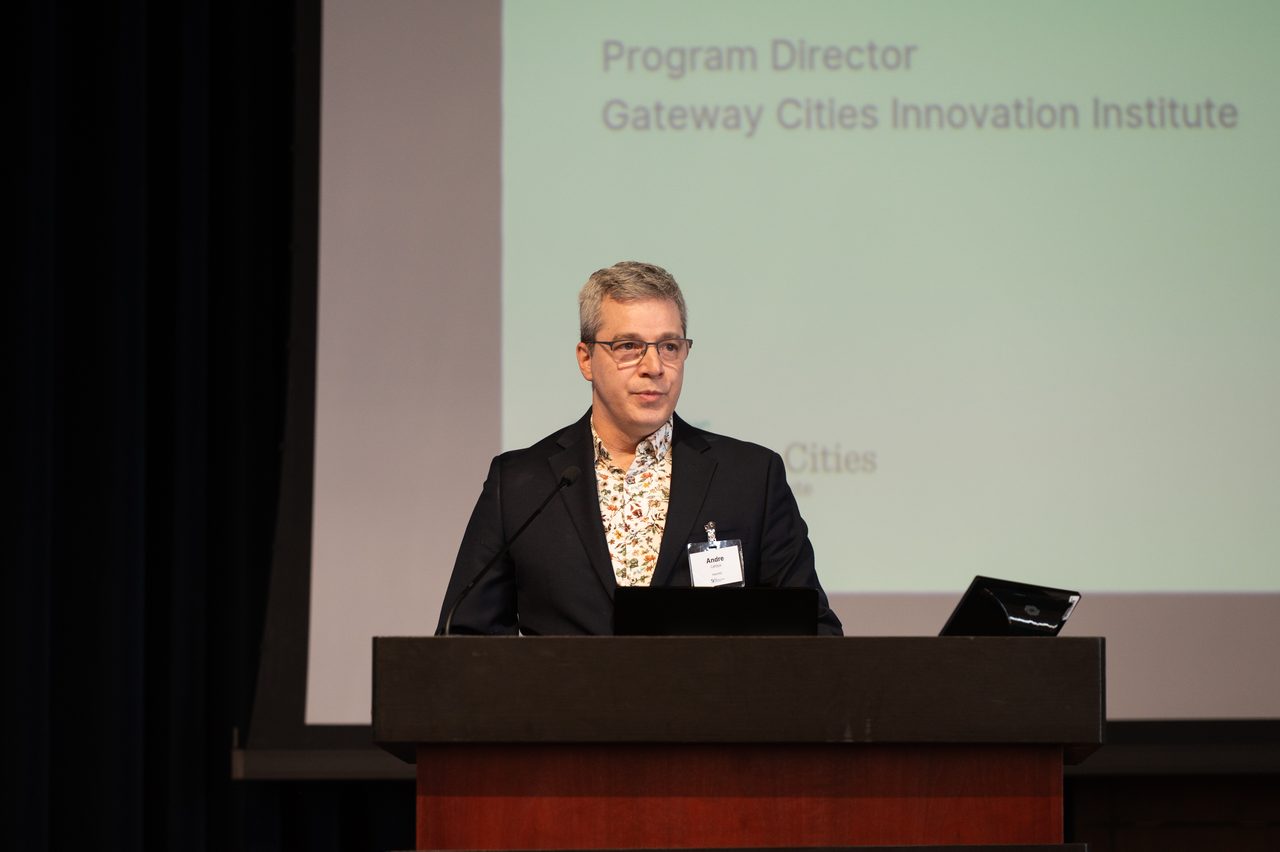
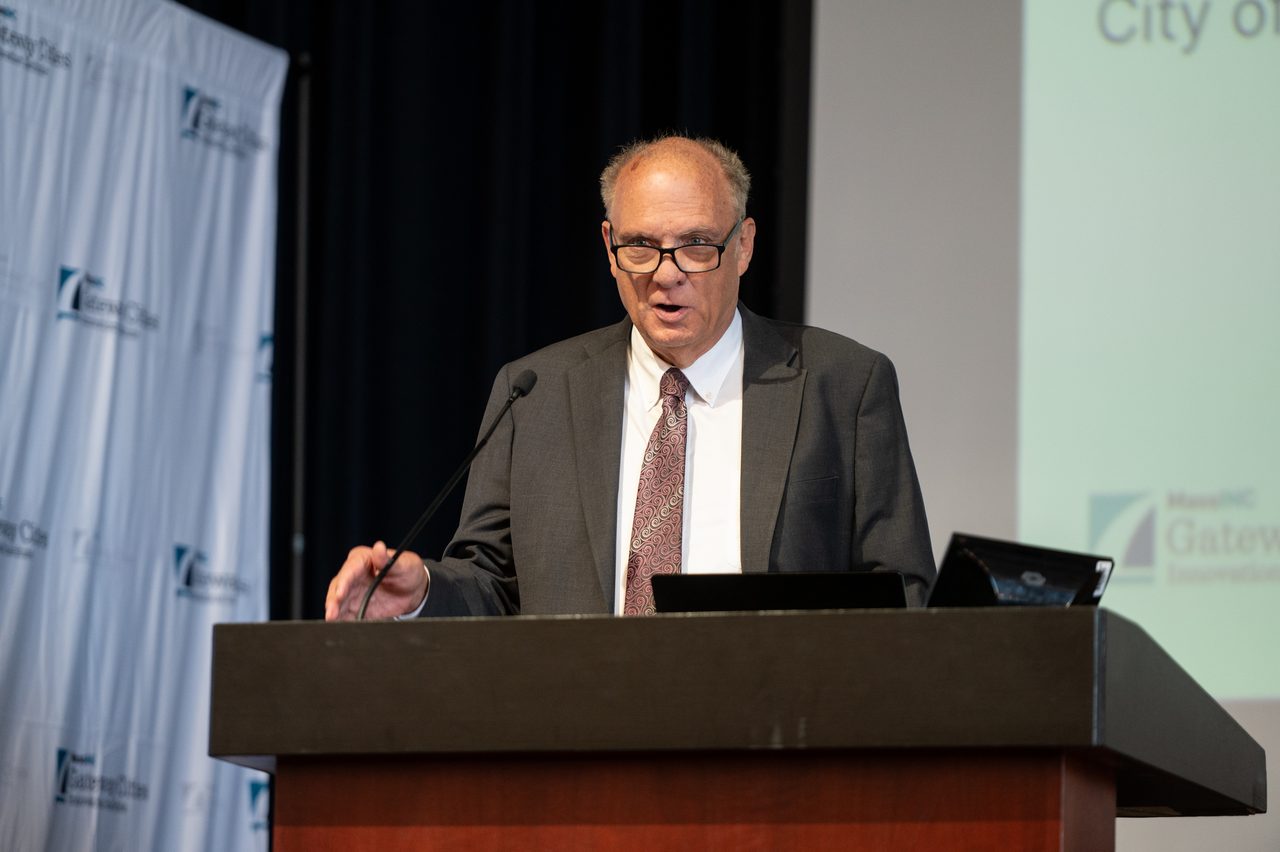
The day opened with welcoming remarks from Andre Leroux, program director of the Gateway Cities Innovation Institute and Worcester Mayor Joesph Petty. Both shared the need for cross-sector collaboration and creativity to ensure Massachusetts retains families and continues to grow.
What it takes to build a middle-class life
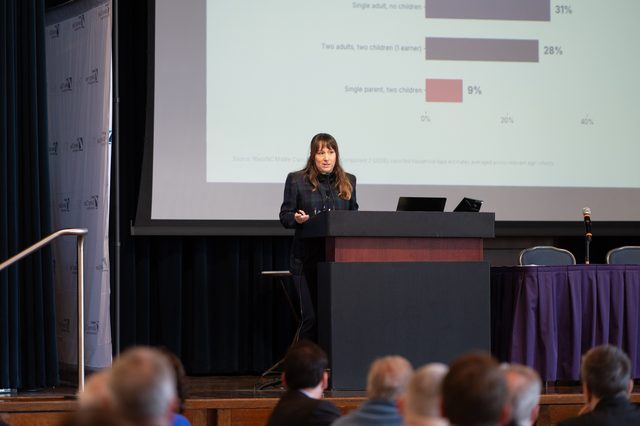
Elise Rapoza of the MassINC Policy Center shared findings from The Massachusetts Middle Class Status Report, which examines what it takes for households to cover everyday expenses, build financial security, and still have time for family and civic life. The research also looks at how opportunities for upward mobility vary across Massachusetts. That regional perspective framed the day’s panels and presentations around a practical question for Gateway Cities: How can local leaders connect more residents to good jobs while making it possible for them to afford to live in the communities they call home?
Economic Mobility in Gateway Cities: Views from the Field
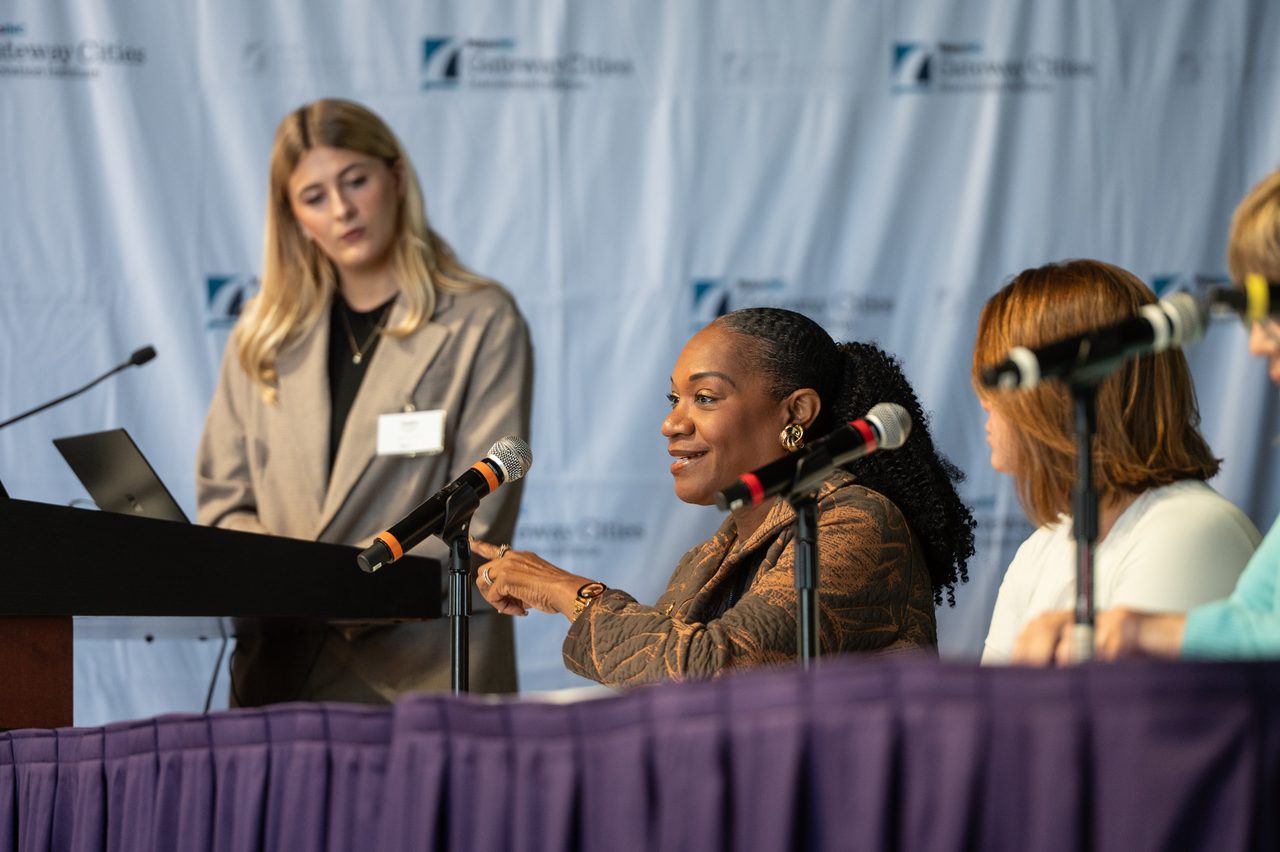
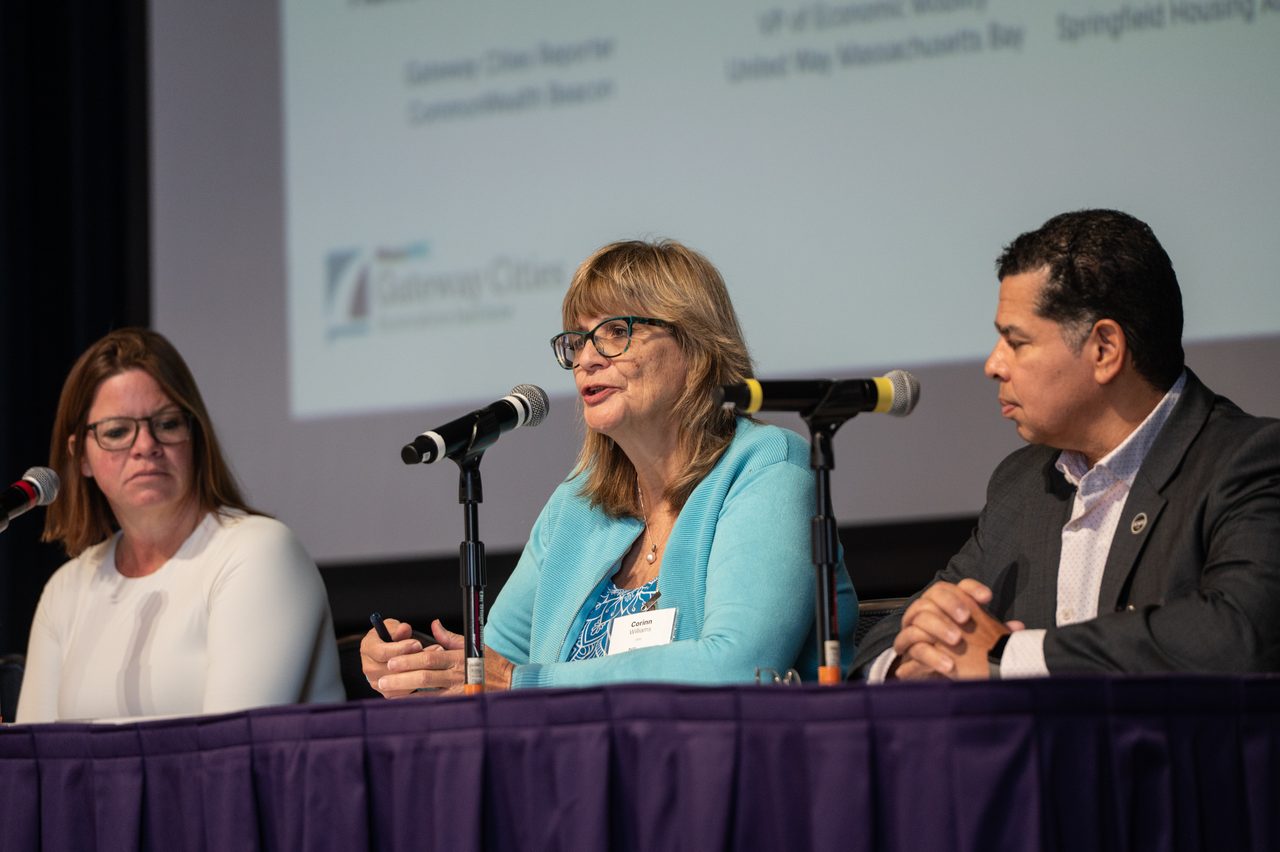
Following a presentation of the Massachusetts Middle Class Status Report, panelists discussed what the statewide findings mean for Gateway Cities. The conversation connected the research to challenges local leaders face every day, from helping residents find good jobs to making it possible for families to afford a home and build lasting financial security. Panelists included:
- Juan Bonilla, Vice President of Economic Mobility, United Way Massachusetts Bay
- MaryBeth Campbell, CEO, Worcester Community Action Council
- Denise Jordan, Executive Director, Springfield Housing Authority
- Corinn Williams, Executive Director, Community Economic Development Center of Southeastern Massachusetts
- Moderator: Hallie Claflin, Gateway Cities Reporter, Commonwealth Beacon
Recognizing Innovation in Gateway Cities
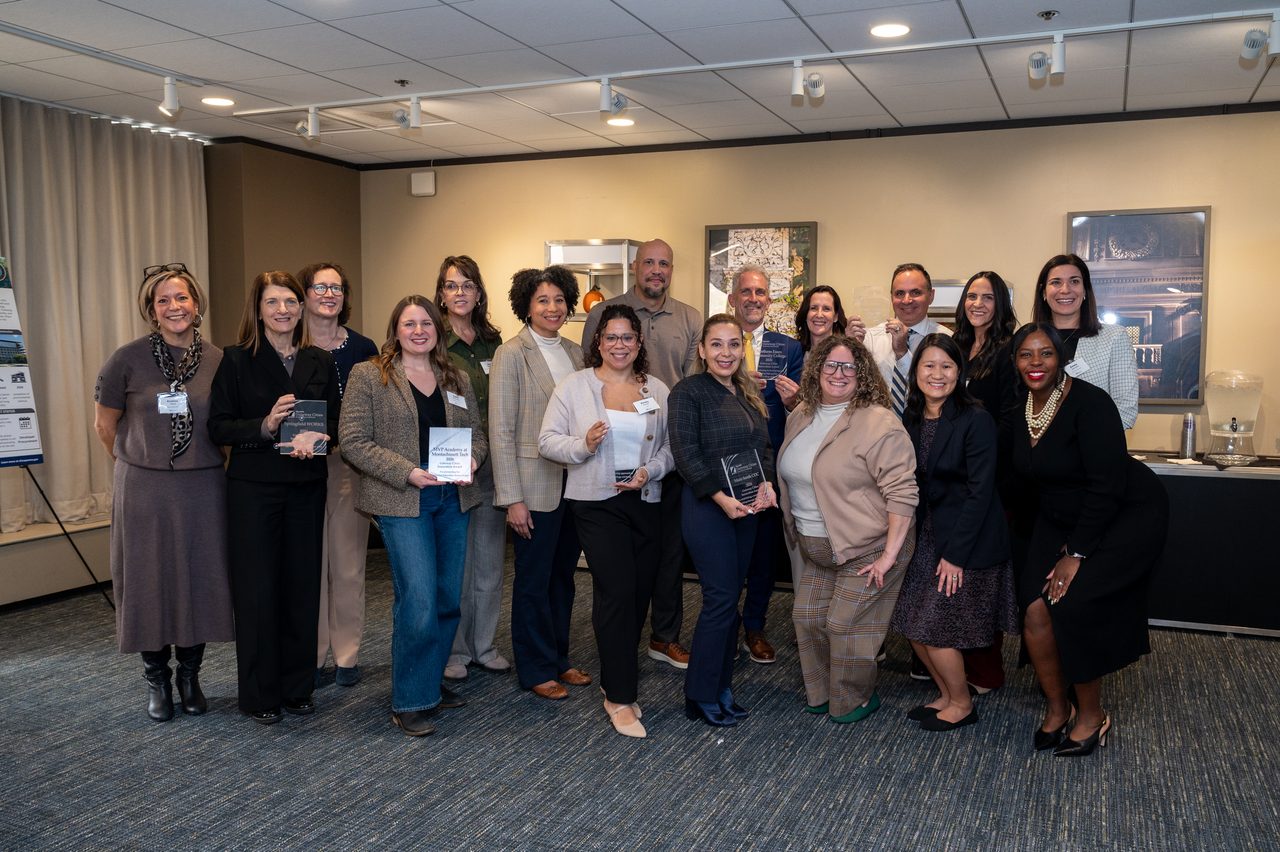
The Gateway Cities Innovation Awards spotlighted organizations putting this year’s theme into practice. Their work reflects the different ways communities can expand opportunity, from helping students navigate the transition to college and careers to supporting neighborhood investment and helping families build wealth:
- Main South Community Development Corporation
- MVP Academy at Montachusett Regional Vocational Technical School
- Northern Essex Community College
- OneGoal and BMC Durfee High School
- Springfield WORKS
Gateway Cities Are A State Priority
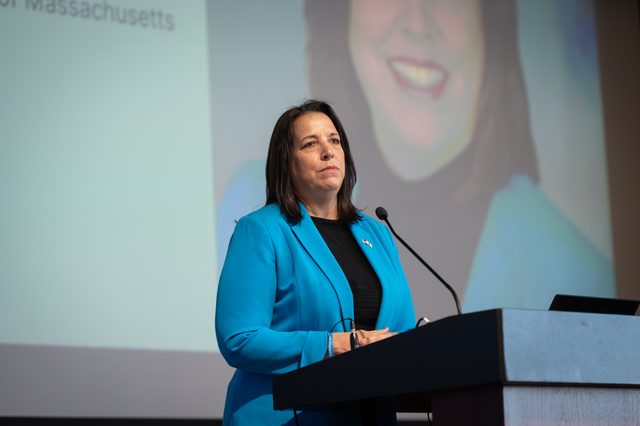
Lt. Governor Kim Driscoll highlighted the progress Massachusetts has made and outlined the Healey–Driscoll administration’s priorities for the next four years, including retaining jobs, addressing the housing crisis, and building on the work already underway in Opportunity Zones across the Gateway Cities. She drew inspiration on her time as mayor of Salem, reflecting on the work that helped the city thrive year-round.
Gateway Cities Gallery Walk: Progress Across Massachusetts
The gallery walk gave attendees a closer look at projects underway in Gateway Cities across Massachusetts. By bringing examples from different communities into one room, the showcase gave participants a chance to see how other cities are approaching local challenges and consider which ideas they could adapt in their own communities. Click to learn more abut each project.
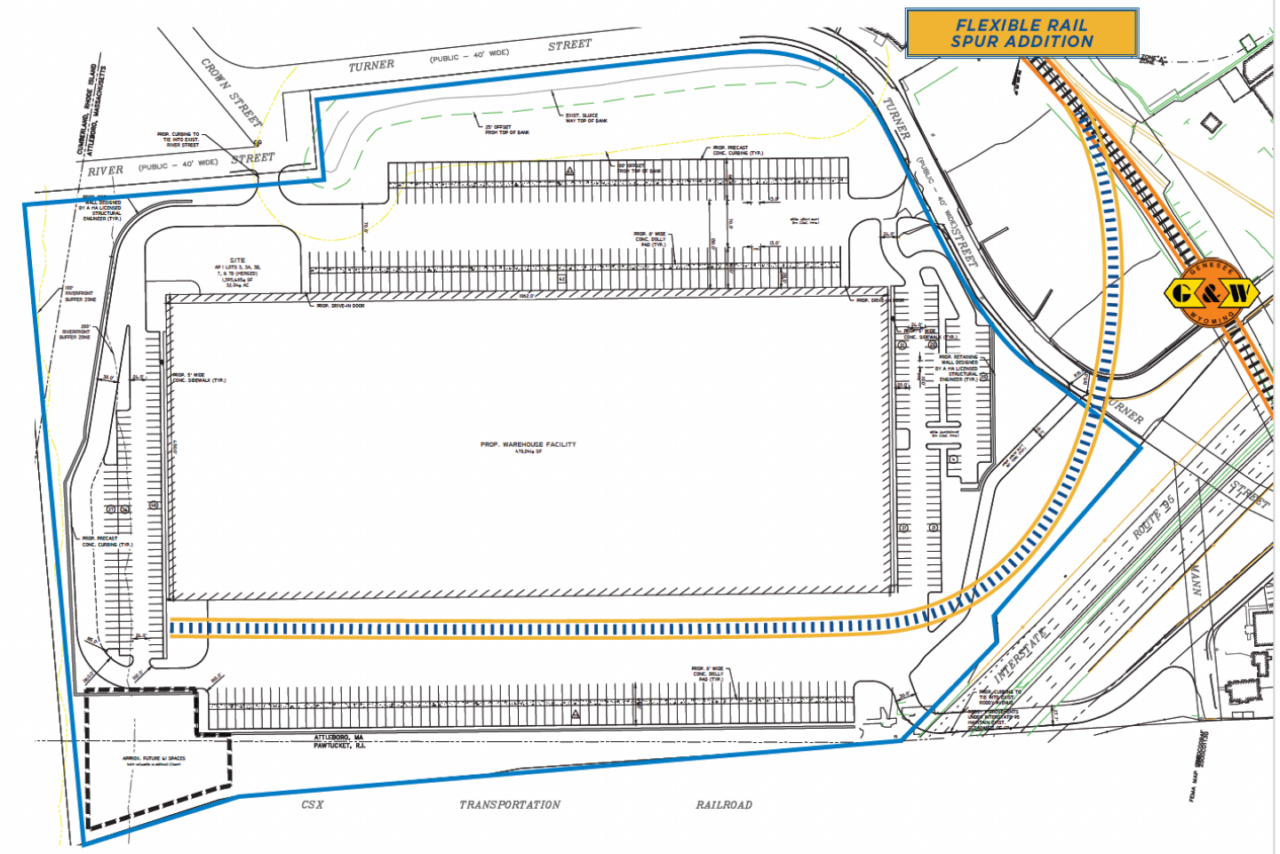
Attleboro
Rail Crossing Commerce Center
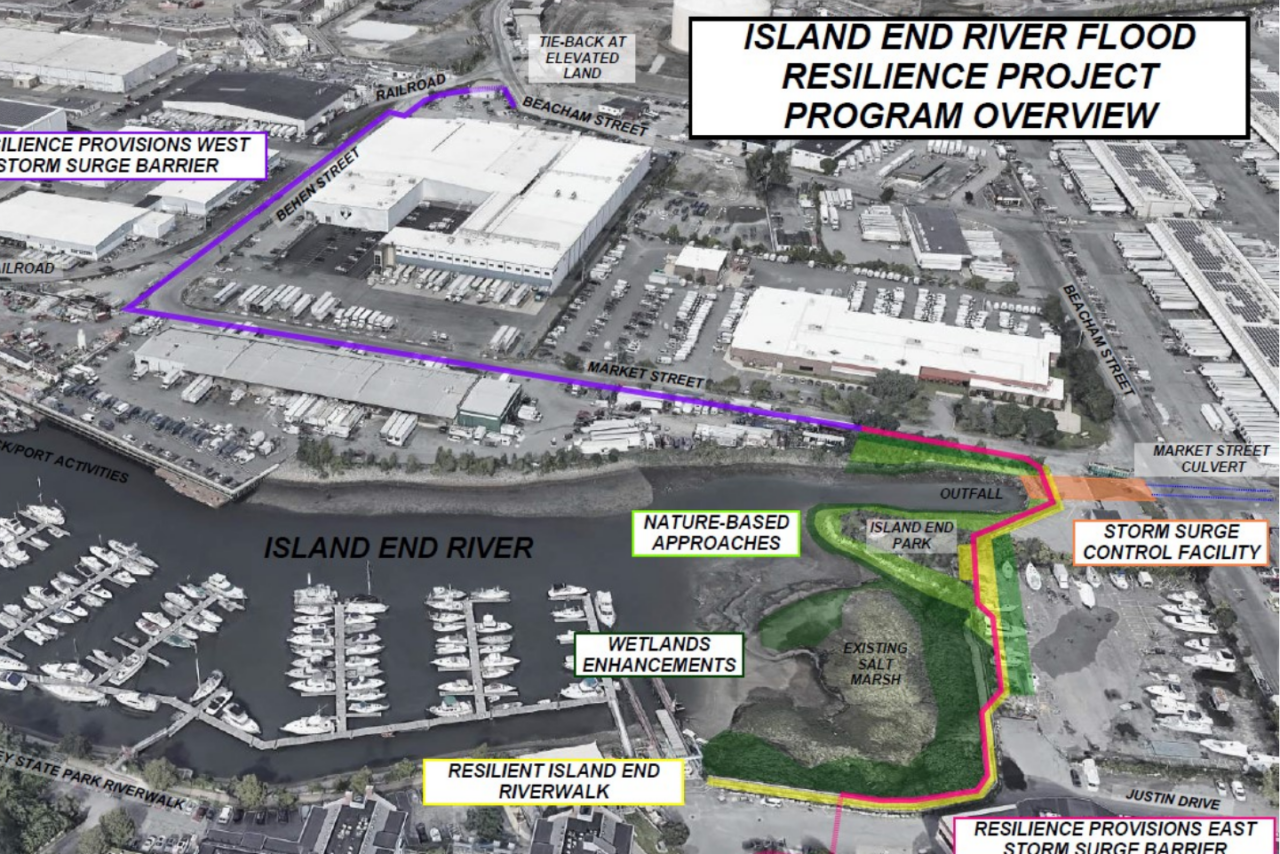
chelsea/EVERETT
Island End, River Flood Resilience Project
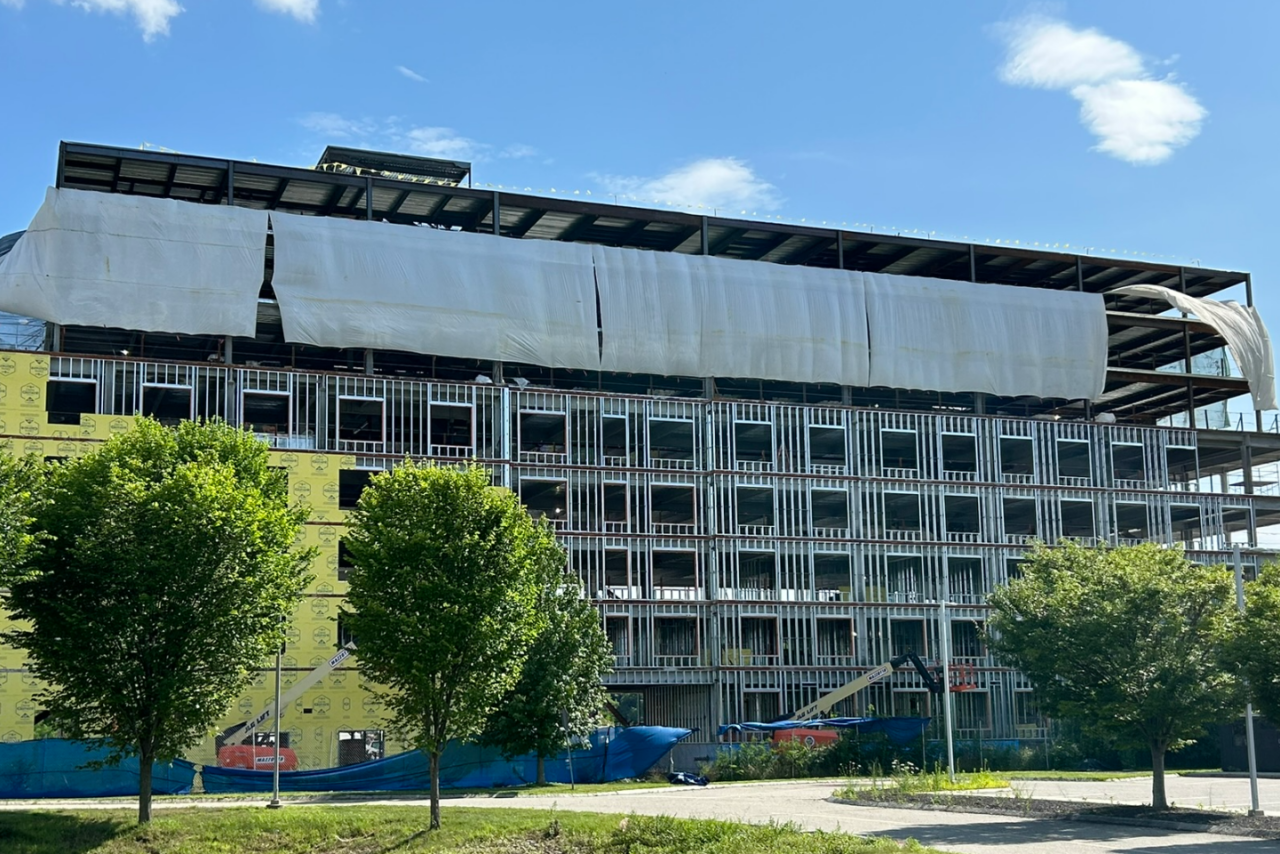
Chicopee
RiverMills Phase IV
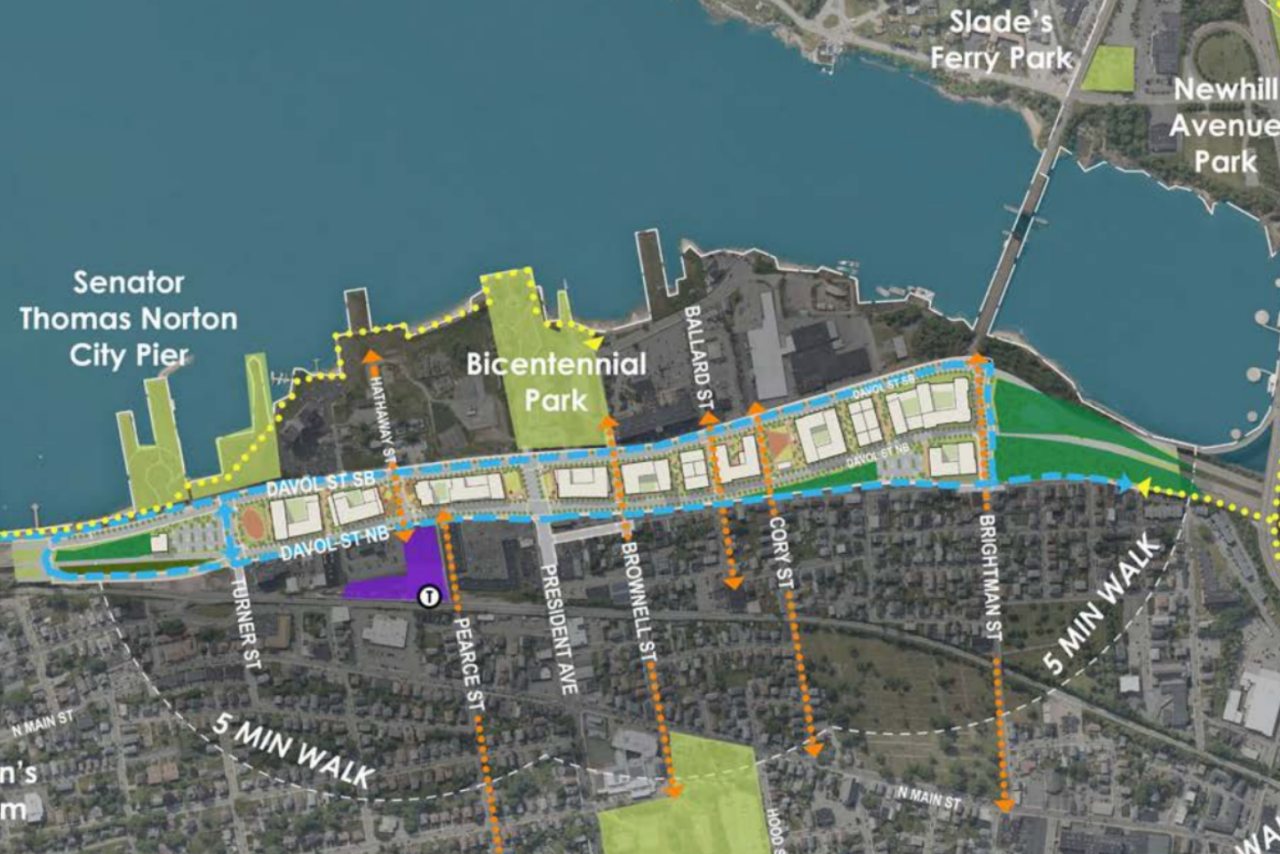
Fall River
Davol Street Project
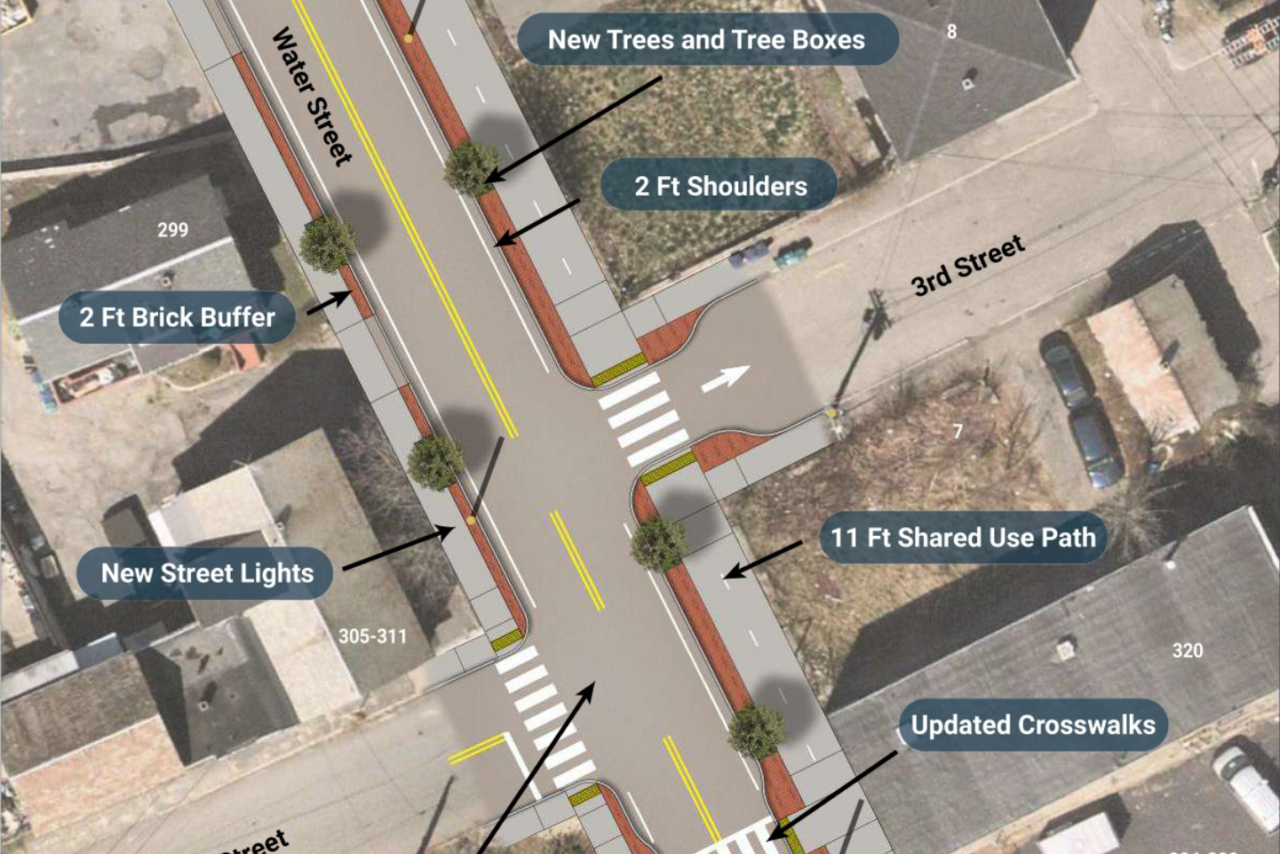
FItchburg
Water Street Corridor Transformation Project
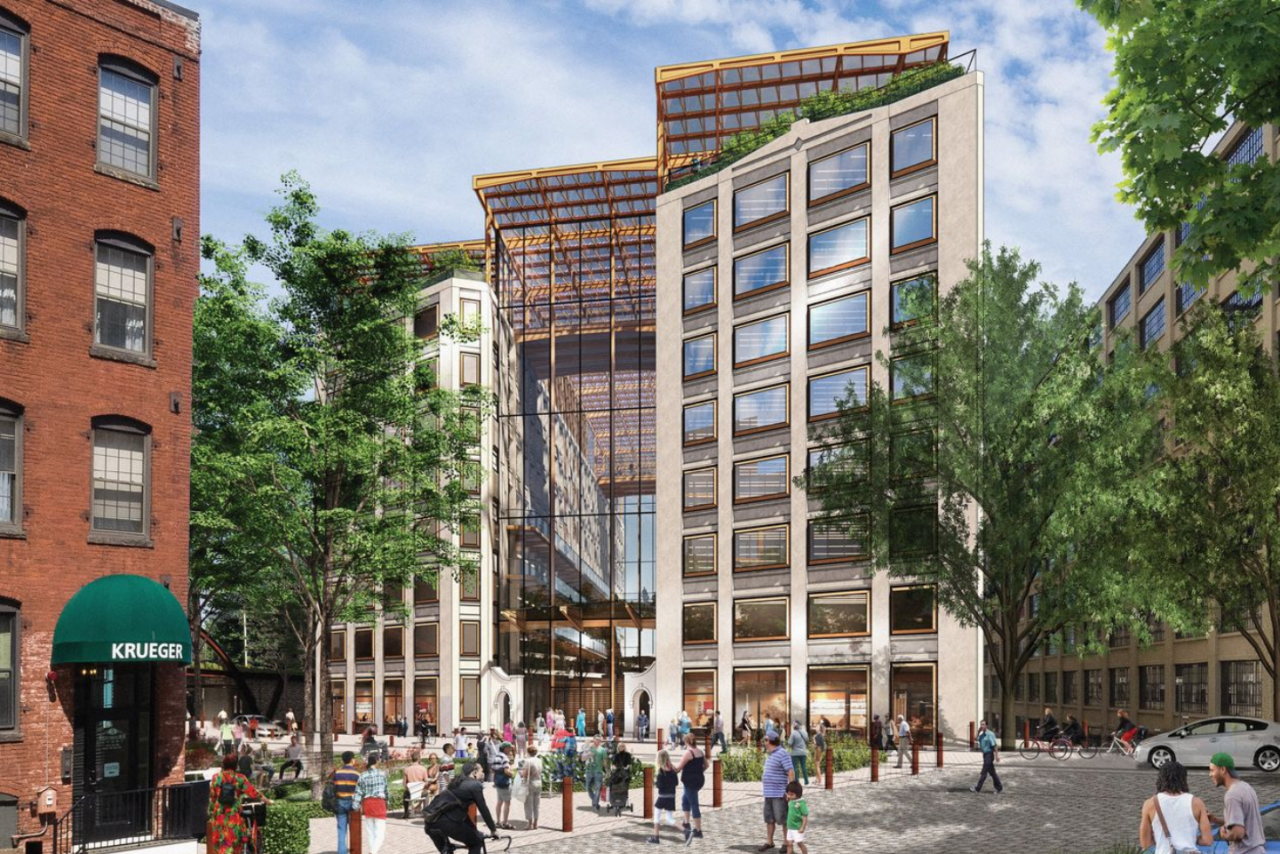
Haverhill
Historic New England Redevelopment Project
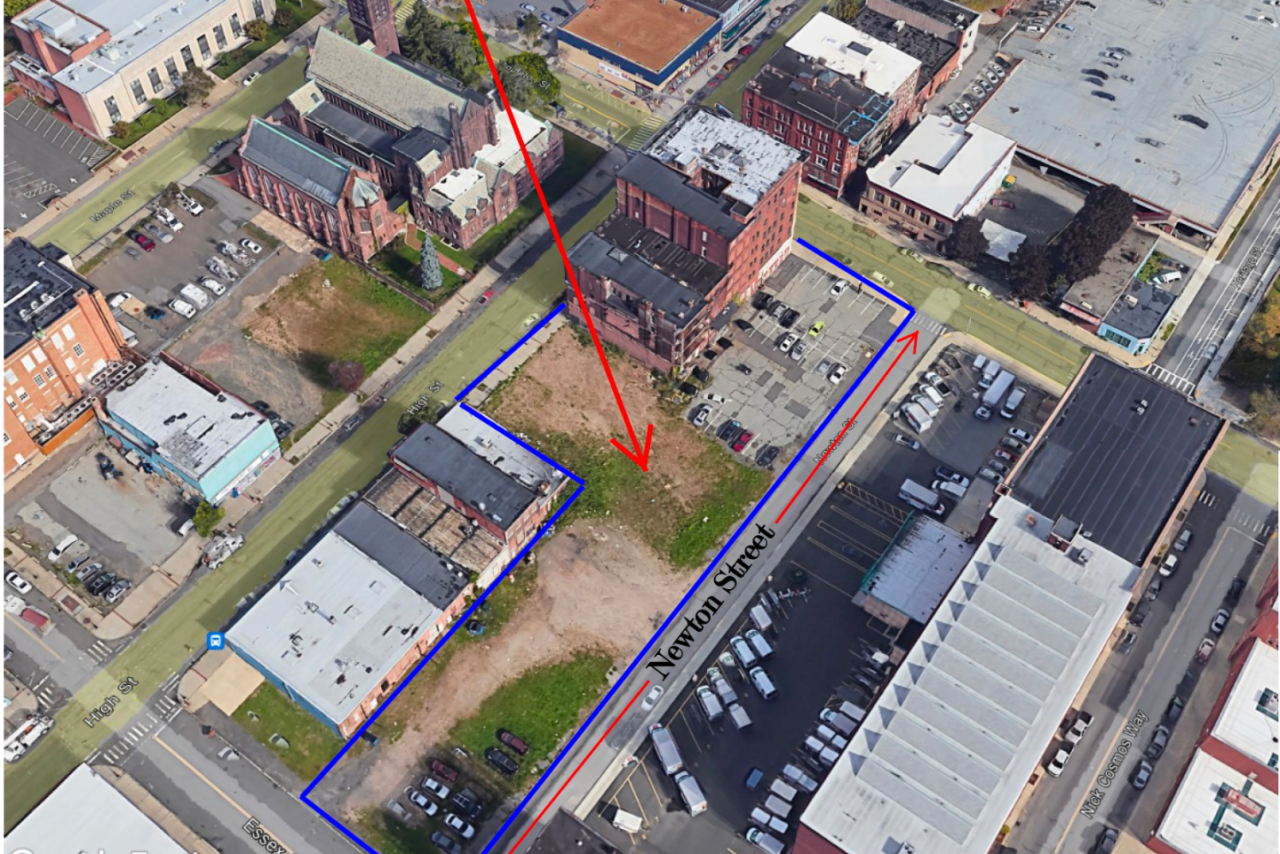
Holyoke
Downtown Revitalization Initiative
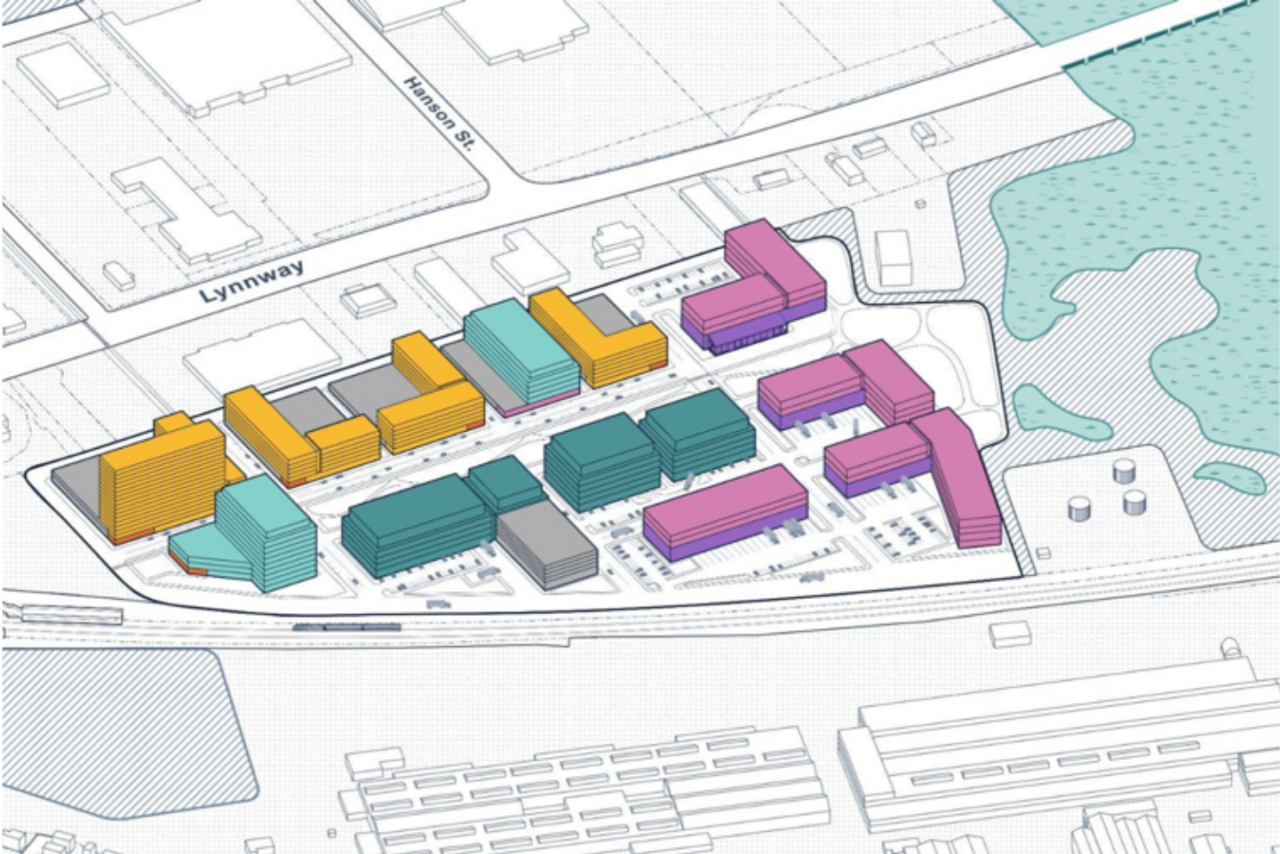
Lynn
Gear Works Waterfront Redevelopment
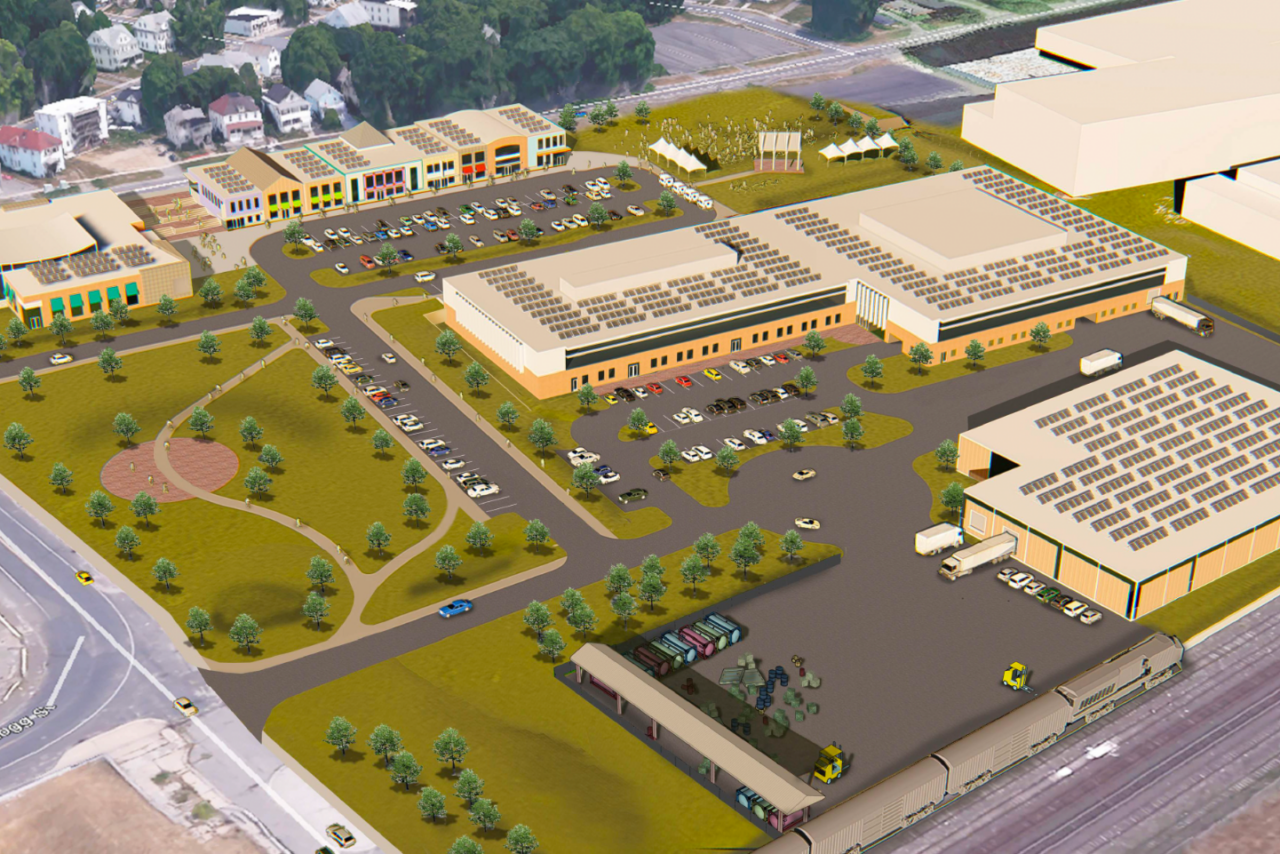
Pittsfield
William Stanley Business Park Site 9 Redevelopment
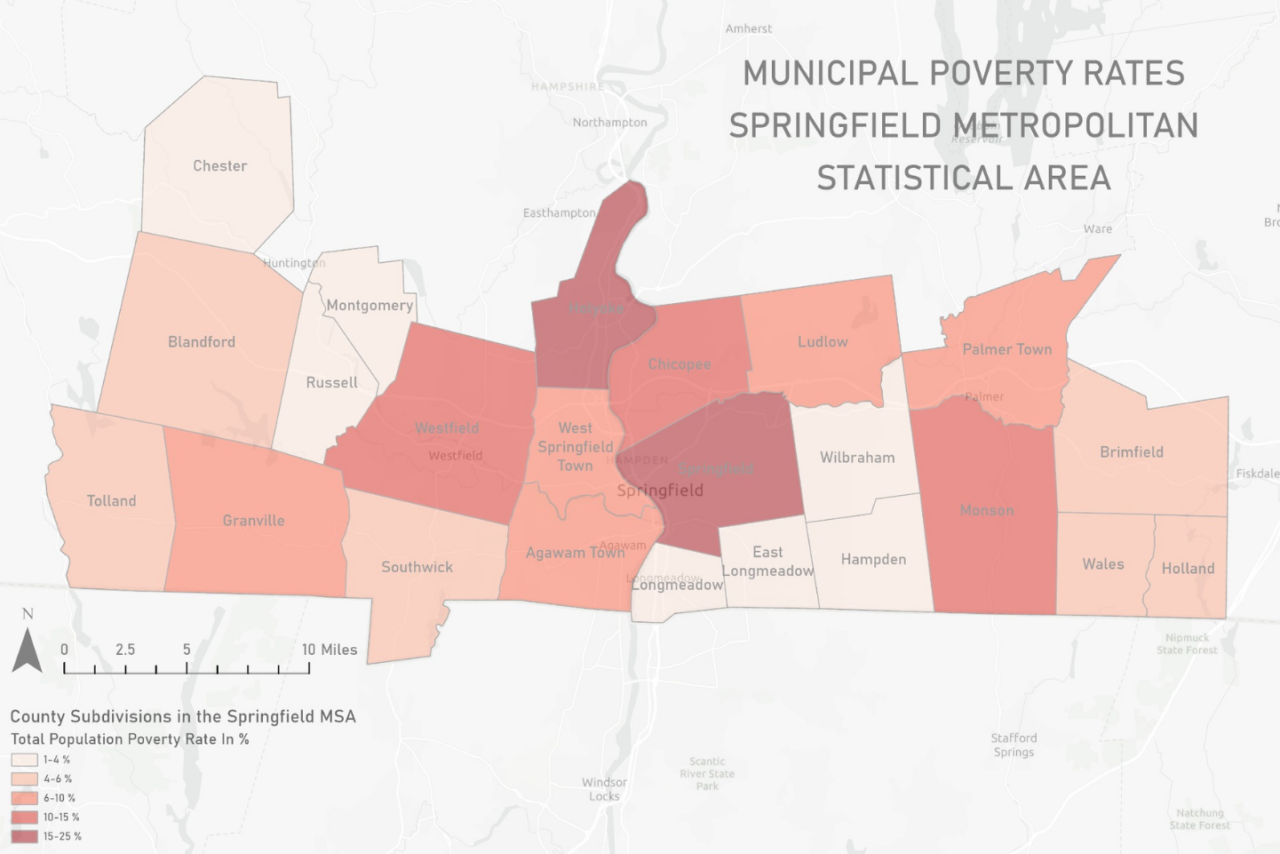
Springfield
School Centered Neighborhood Development
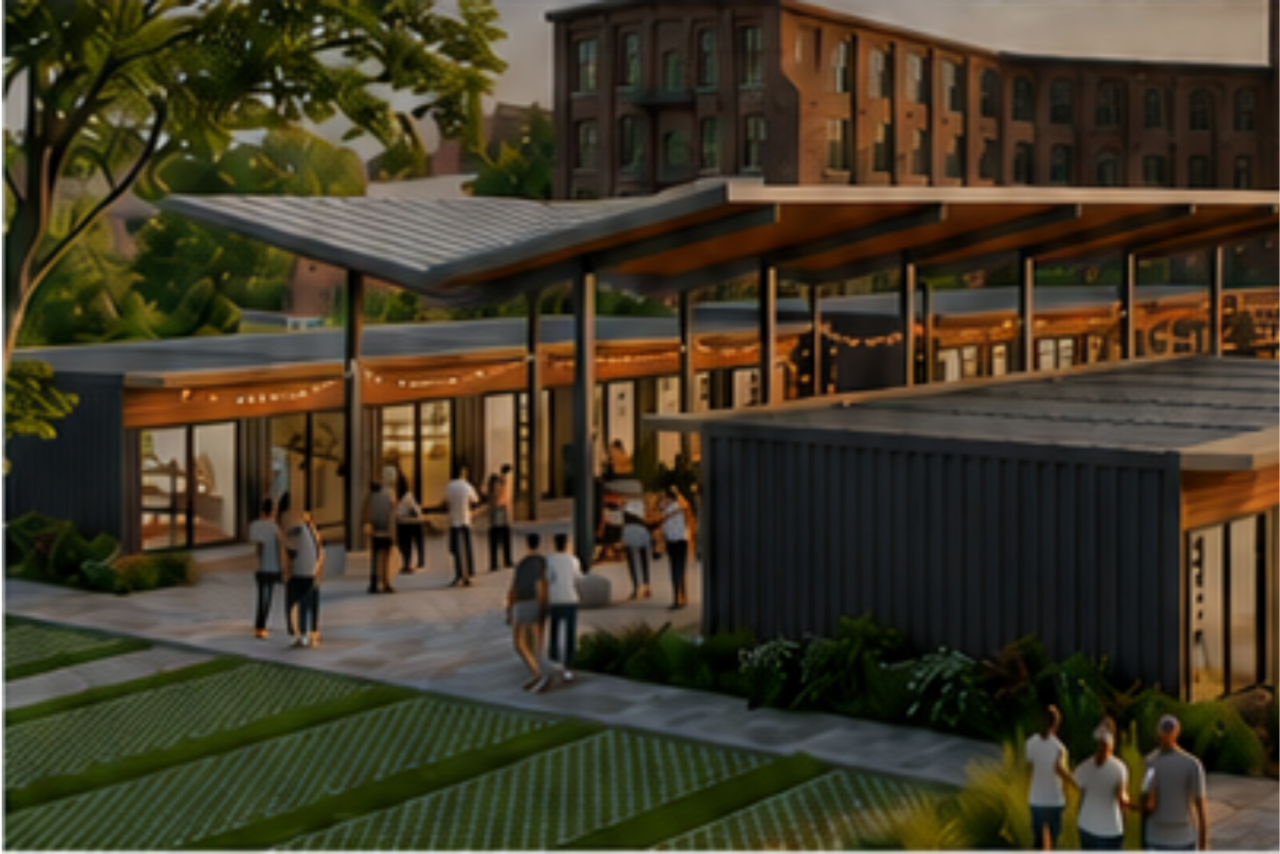
Taunton
Industry at the Weir
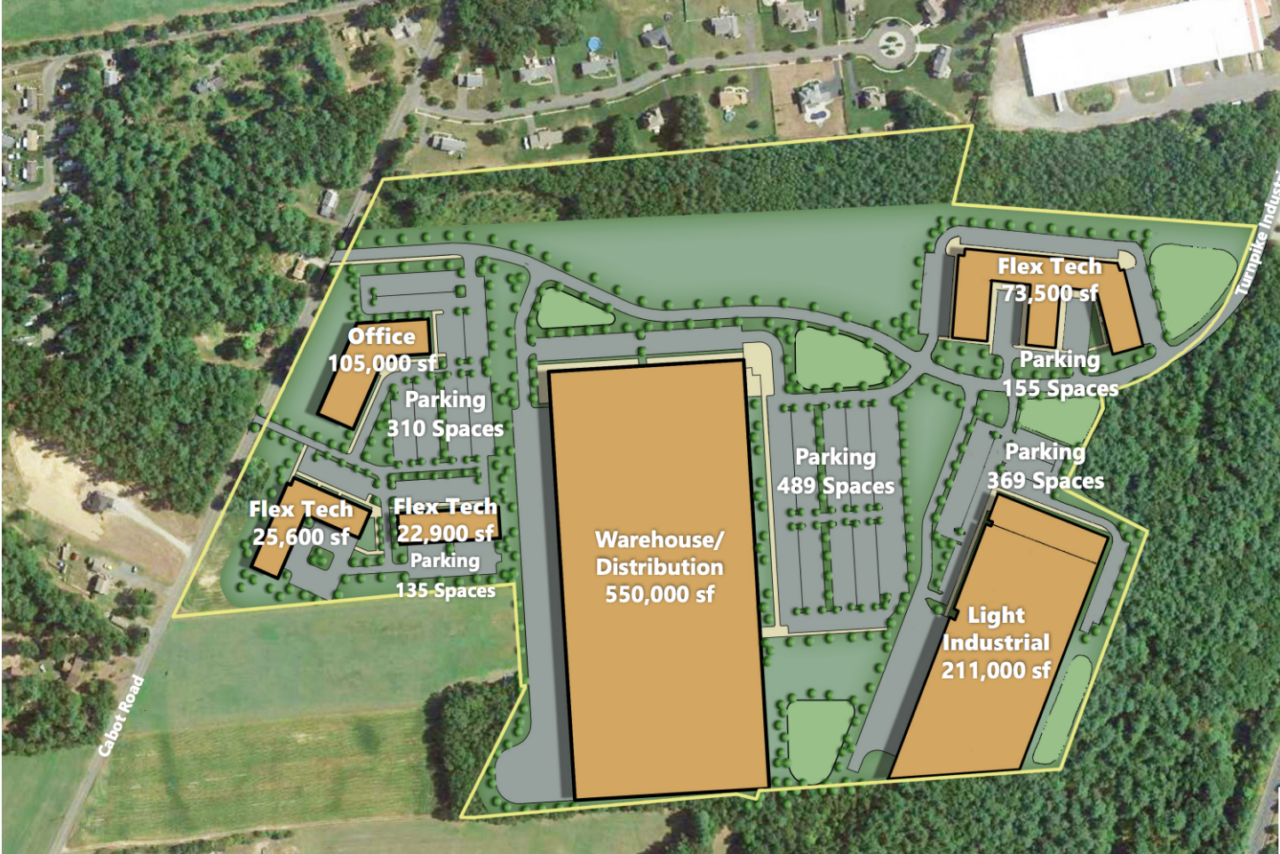
Westfield
Turnpike Industrial Park
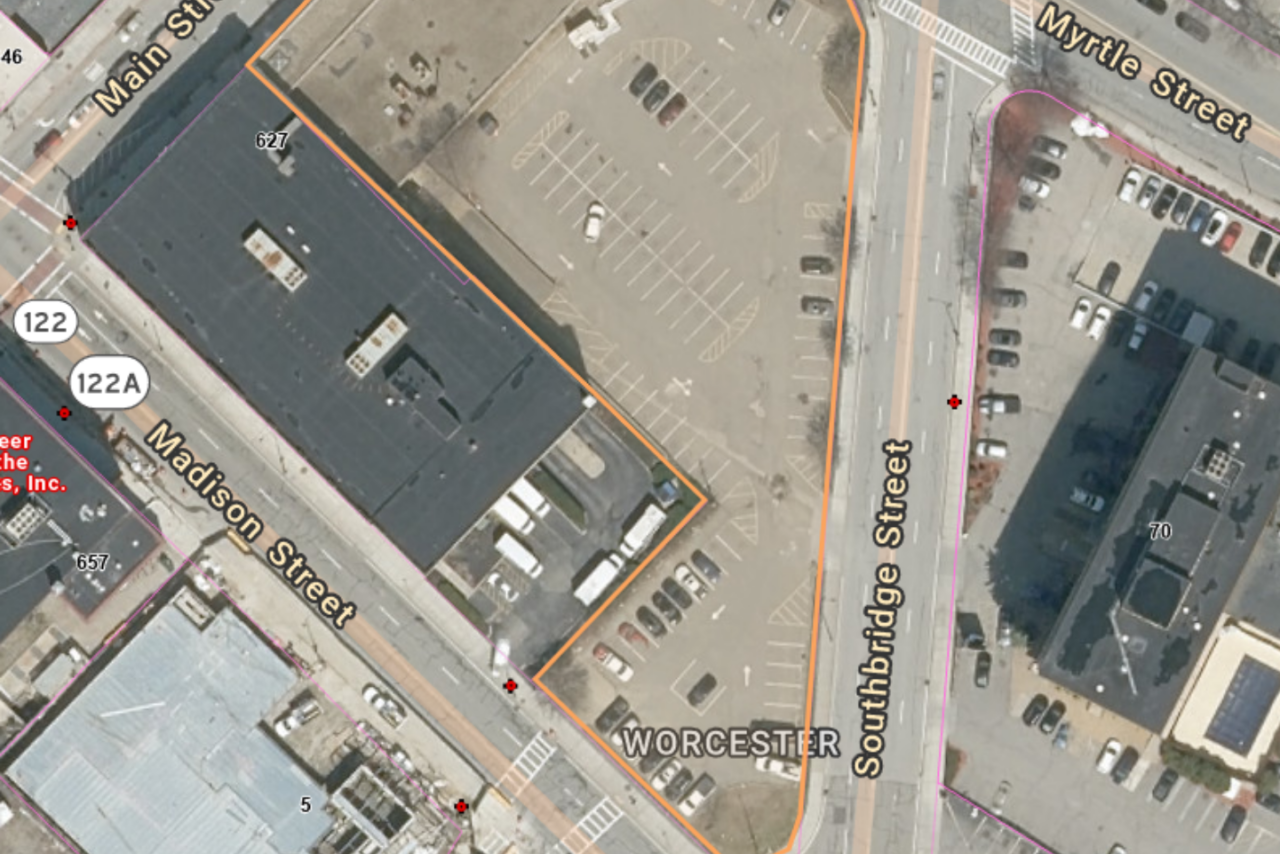
Worcester
611 Main Street
Disruptive Strategies to Build Community Wealth
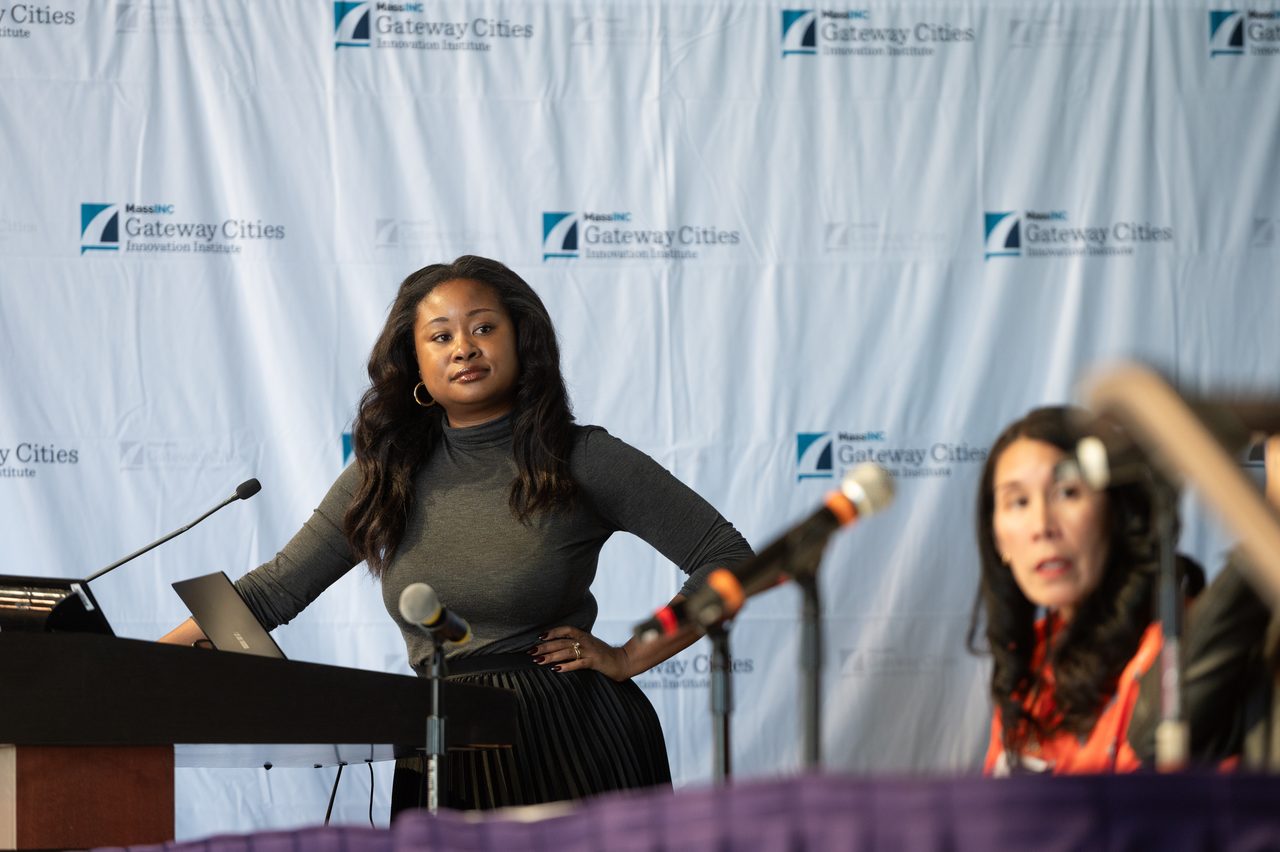
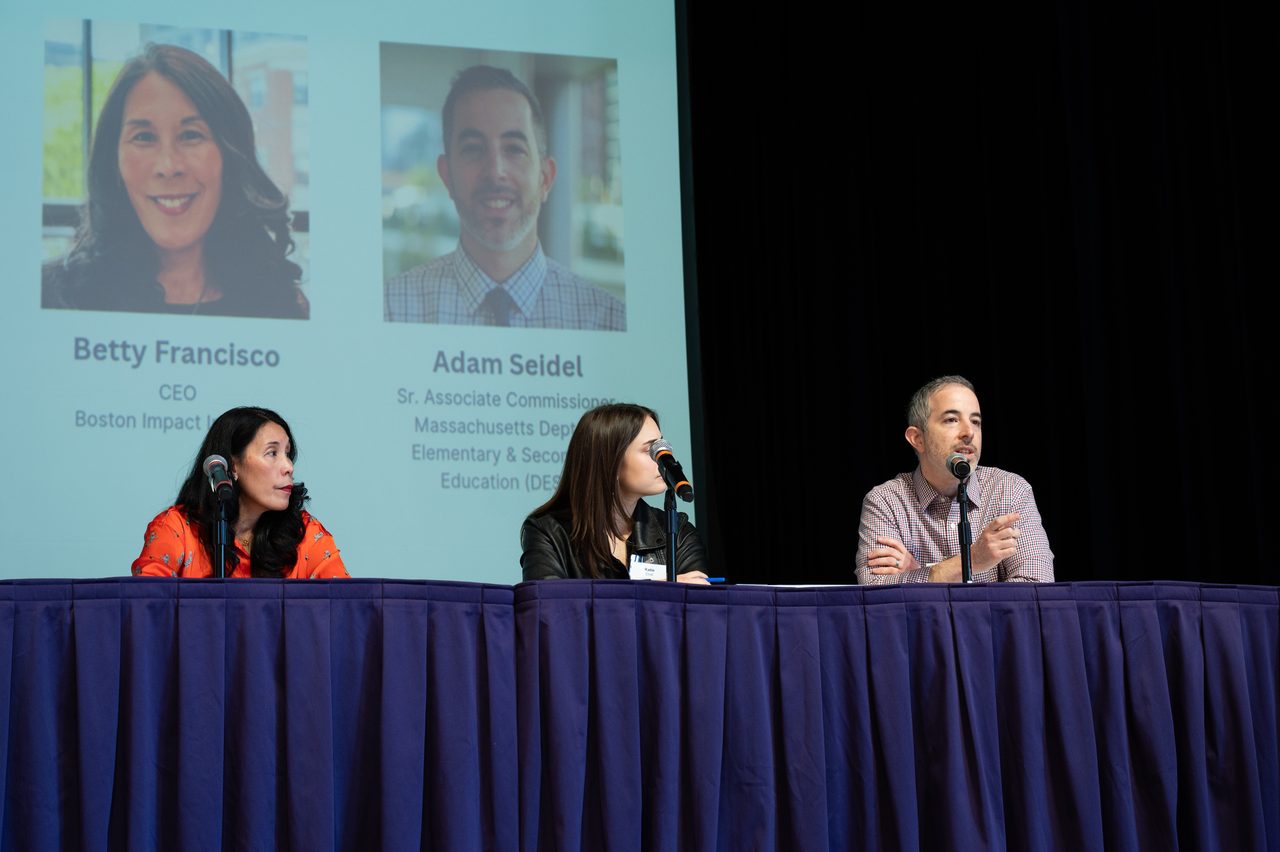
The afternoon panel explored how Gateway Cities can help residents build wealth and share in the benefits of local economic growth. The conversation connected the summit’s focus on middle-class opportunity to a question facing communities across Massachusetts: How can local investment create lasting economic gains for the people who live there? We heard insights from the following leaders:
- Katie Deal, Vice President, Lafayette Square Institute
- Betty Francisco, CEO, Boston Impact Initiative
- Adam Seidel, Senior Associate Commissioner, Massachusetts Department of Elementary and Secondary Education
- Moderator: Courtney Brunson, Senior Director of Economic Equity Initiatives, The Boston Foundation
Looking Ahead to the 2027 Gateway Cities Policy Agenda
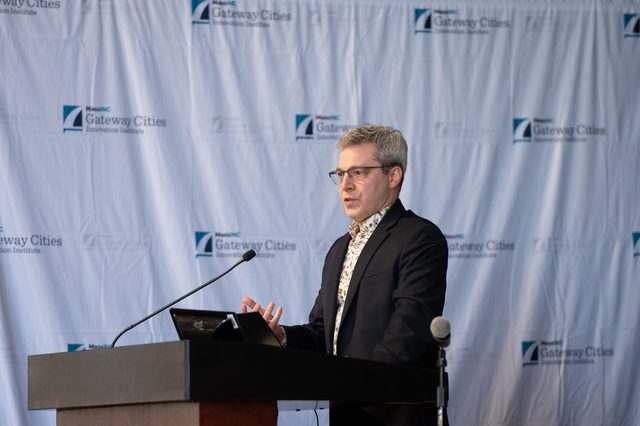
André Leroux presented the Gateway Cities Innovation Institute’s 2027 policy agenda, outlining the Institute’s priorities for the year ahead. The presentation connected the summit’s focus on expanding pathways to the middle class with the policy work ahead for Gateway Cities.
Highlights from the agenda included:
- Expanding the Housing Development Incentive Program (HDIP)
- A flagship Downtown & Main Street program
- Reviewing the Gateway Cities definition and framework
- Modernizing redevelopment authorities
- Building stronger regional economic development strategies
- School-centered neighborhood development
- Funding the next generation of housing strategies
- Investing in regional rail
Gateway Cities Champion & Mayor Carpenter Award Presentations
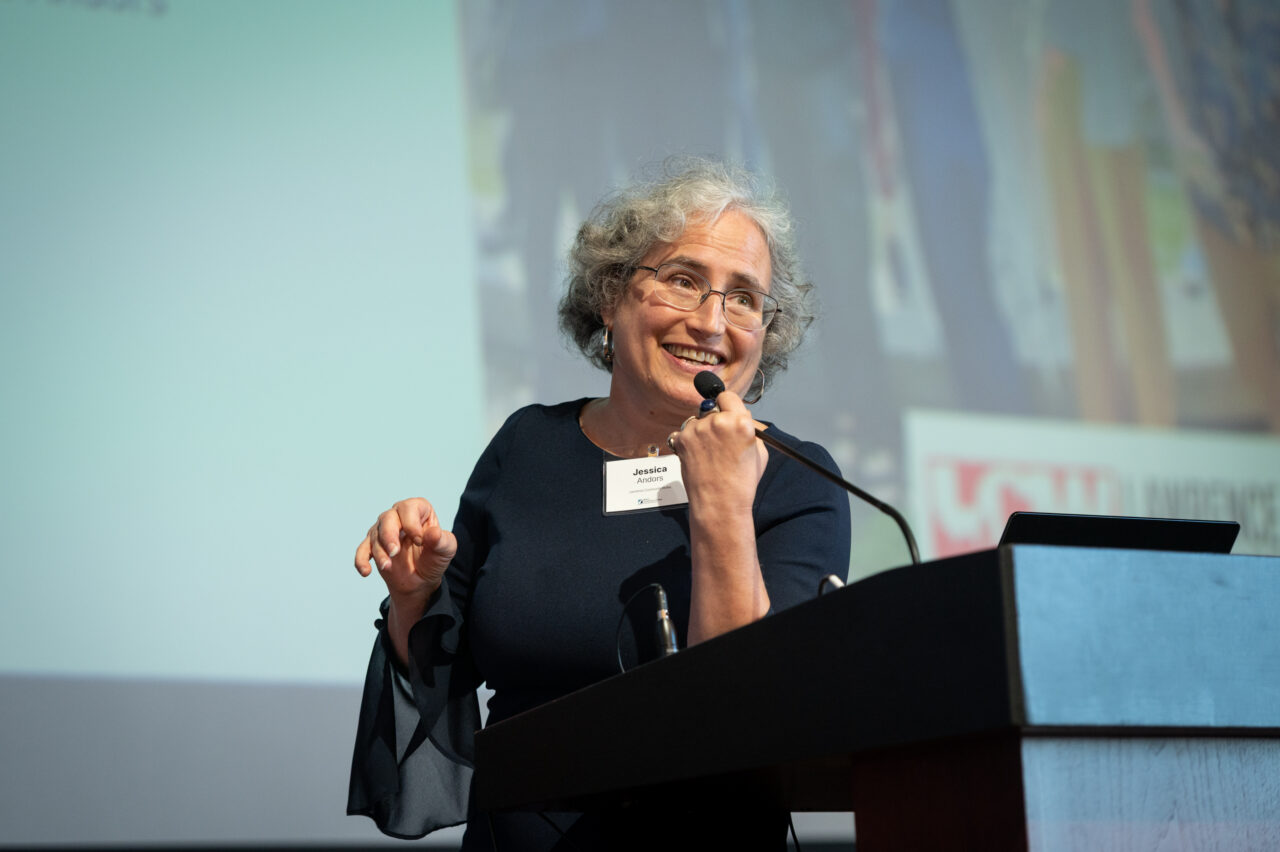
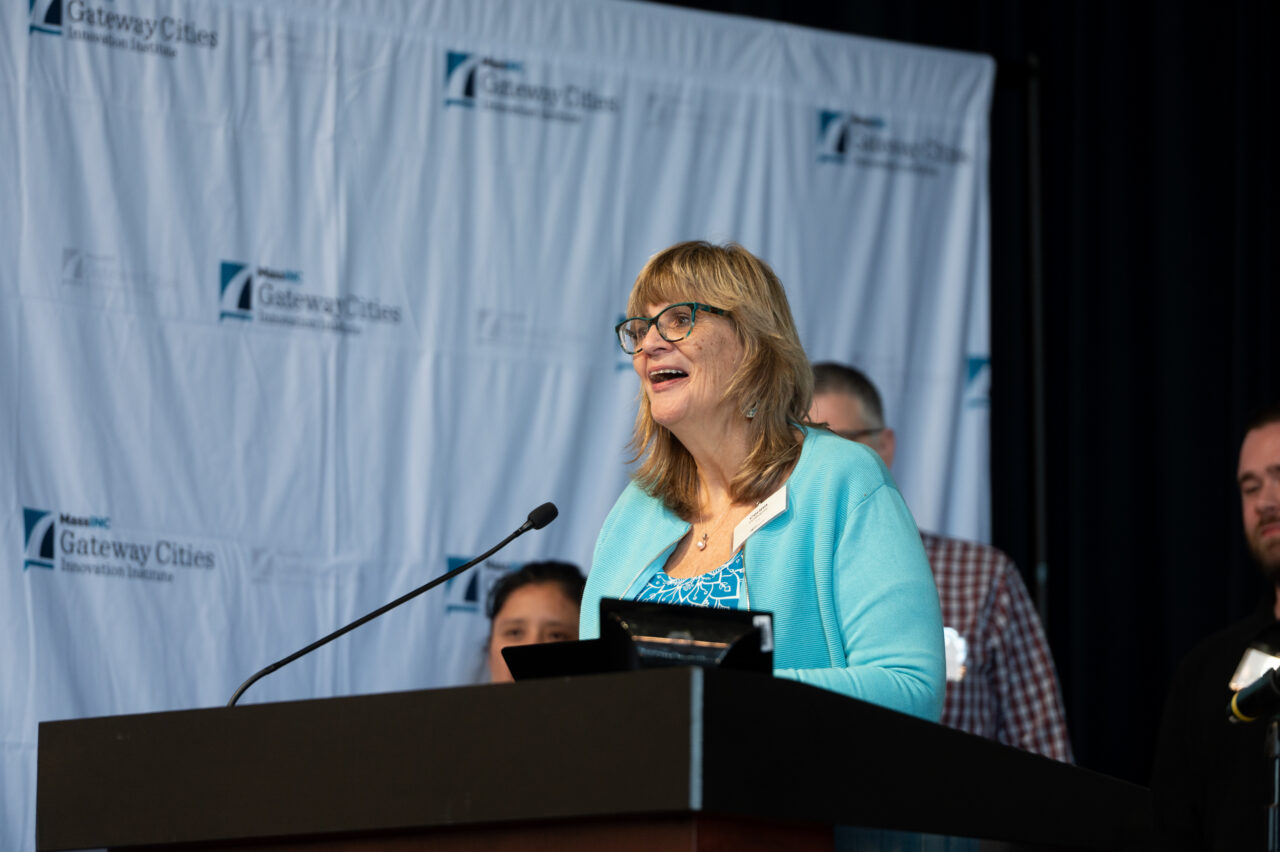
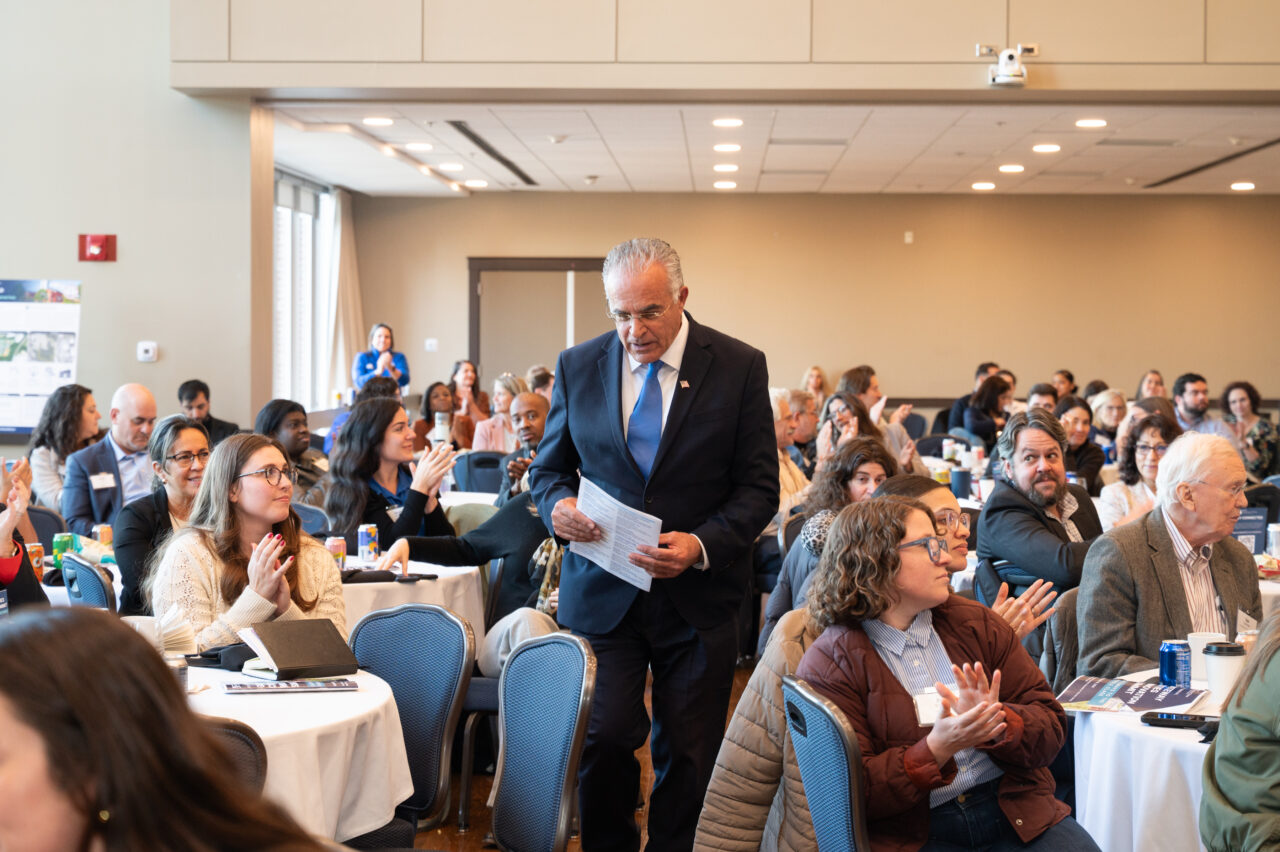
The summit closed by celebrating this year’s Gateway Cities Champions, the Community Economic Development Center of Southeastern Massachusetts and Lawrence Community Works, for their work expanding economic opportunity and strengthening neighborhoods in New Bedford and Lawrence.
The Mayor Bill Carpenter Award for Excellence in Gateway City Leadership was presented to Mayor Dean Mazzarella, who left us on a high note by reflecting on this legacy of work and spiritedness toward creating opportunities in Leominster.
We thank our Gateway Cities network for joining us for a day of collaboration and learning and look forward to next year’s summit as we reflect on twenty years of Gateway Cities.